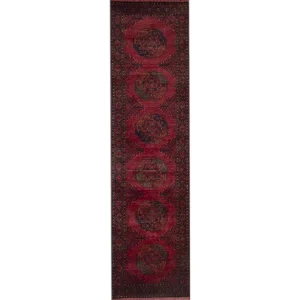
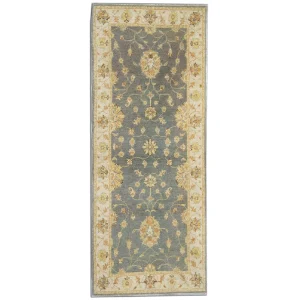
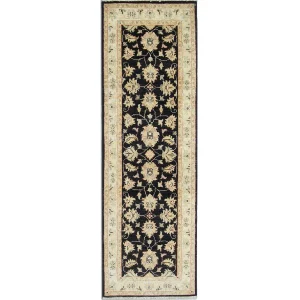
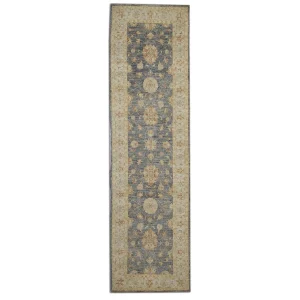
Oriental vs. Persian-Style Rugs: Understanding the Key Differences

Rugs are more than mere floor coverings—they are woven poetry, capturing centuries of artistry, heritage, and craftsmanship. These intricate textiles hold the power to transform a space, infusing it with warmth, character, and an air of timeless luxury. Among the finest in the world, Persian rugs and Oriental rugs are revered for their beauty, quality, and historical significance.

Although they both belong to a rich weaving tradition, understanding the key differences between them helps you appreciate the extraordinary detail behind every knot and pattern. Whether you’re refreshing a space with minimal changes or investing in a long-lasting statement piece, knowing the story behind your Persian-style rug is essential.

Persian Rugs: A Legacy of a Vast Civilization

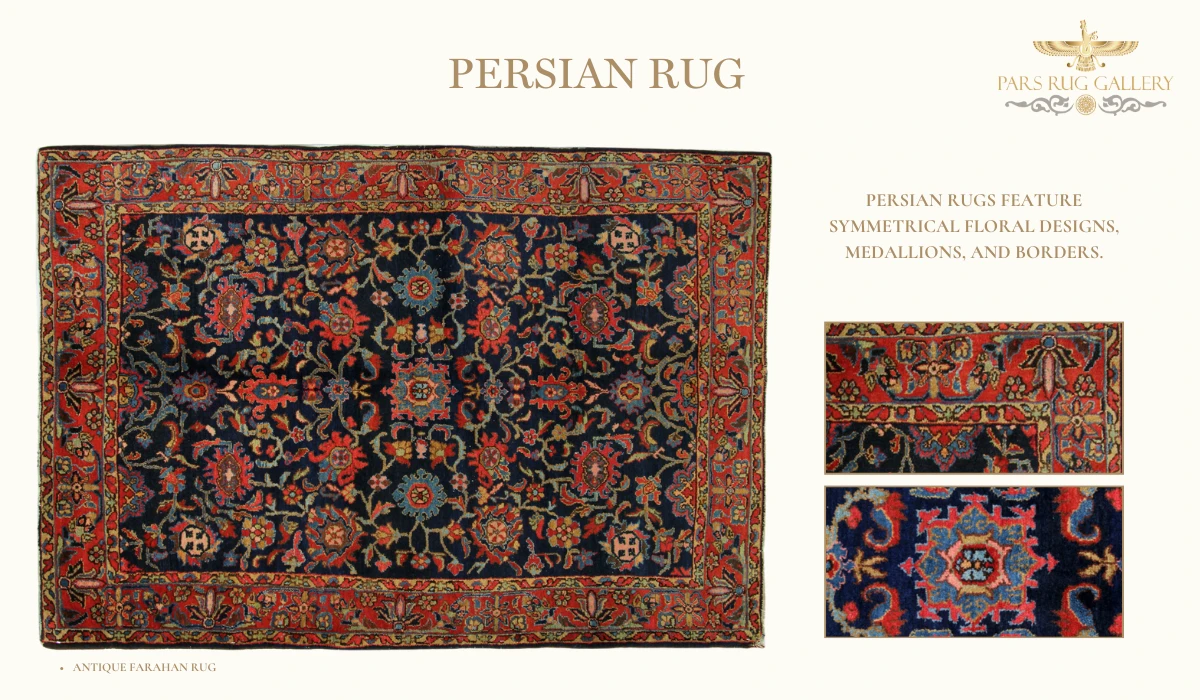
Persian rugs are often considered the crown jewels of Oriental carpets. Known for their intricate detail, bold use of color, and superb craftsmanship, these rugs originate from Iran—historically known as Persia. Each piece is handcrafted, often taking months or even years to complete, depending on its complexity.

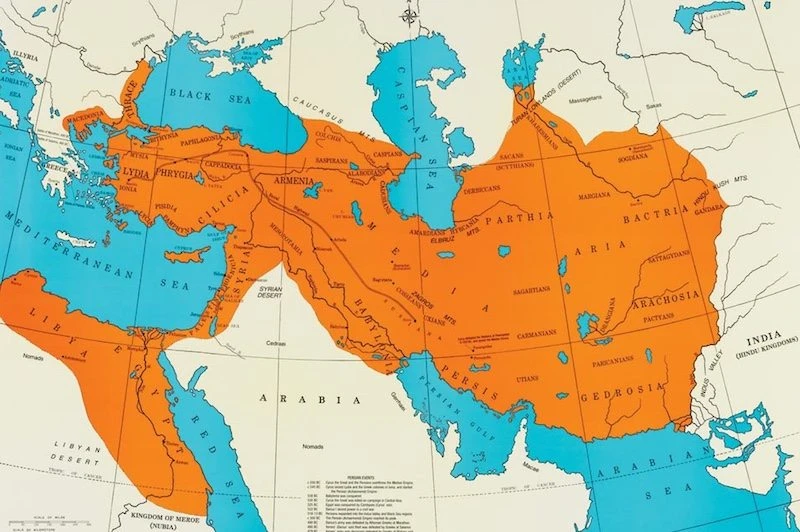
To fully understand the artistry of Persian rugs, it’s important to recognize the vast cultural geography that shaped them. Ancient Persia once spanned regions that include present-day Afghanistan, Turkmenistan, the Caucasus, and parts of Turkey and Iraq. This widespread influence helped refine rug-making techniques and patterns across many cultures, laying the foundation for what is today a globally admired art form.

Whether you’re drawn to the classic medallion motifs or the soft elegance of a blue Persian rug, each design speaks to centuries of legacy, symbolism, and regional expression.
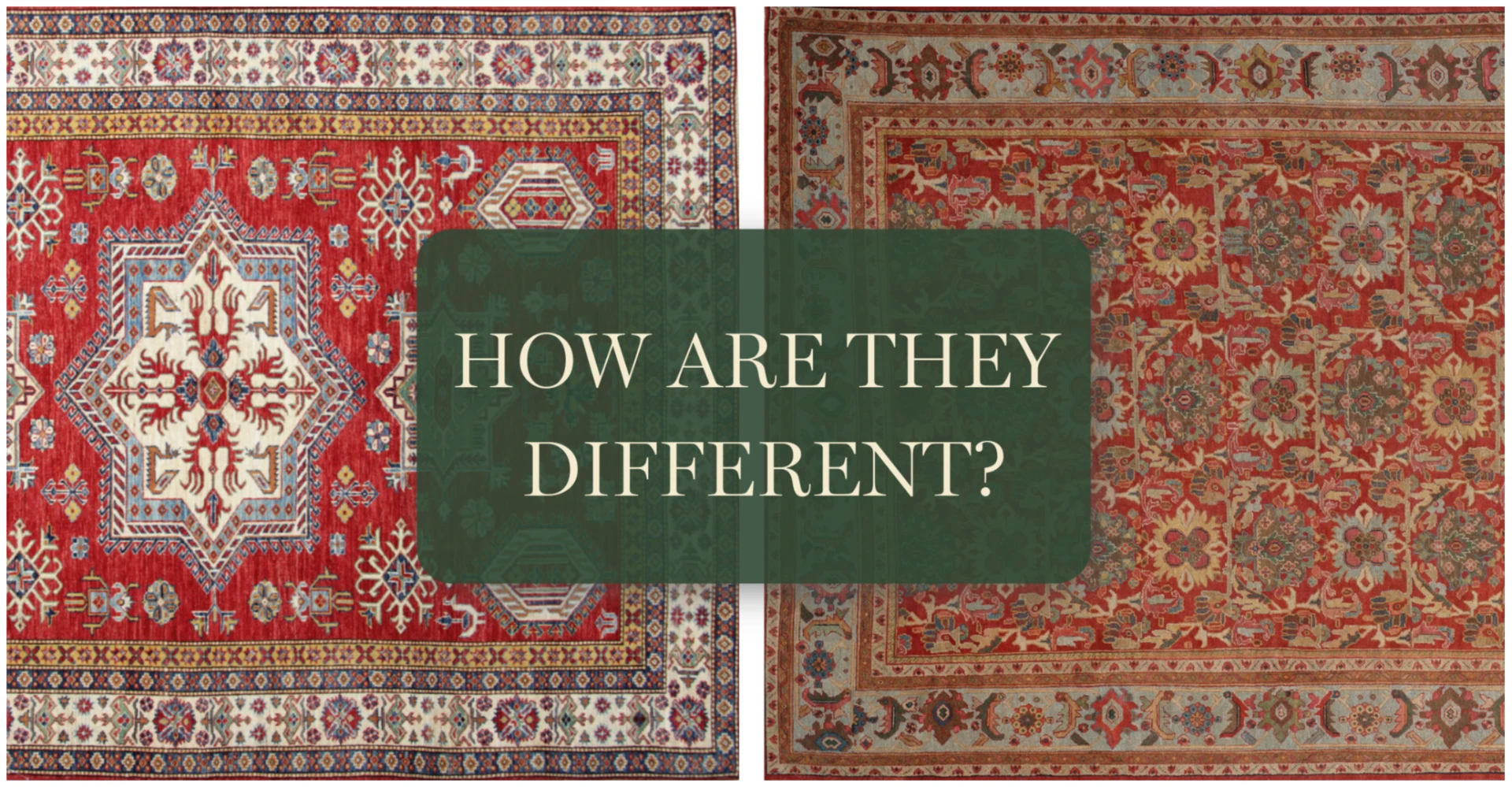
Whether you’re drawn to the classic medallion motifs or the soft elegance of a blue Persian rug, each design speaks to centuries of legacy, symbolism, and regional expression.

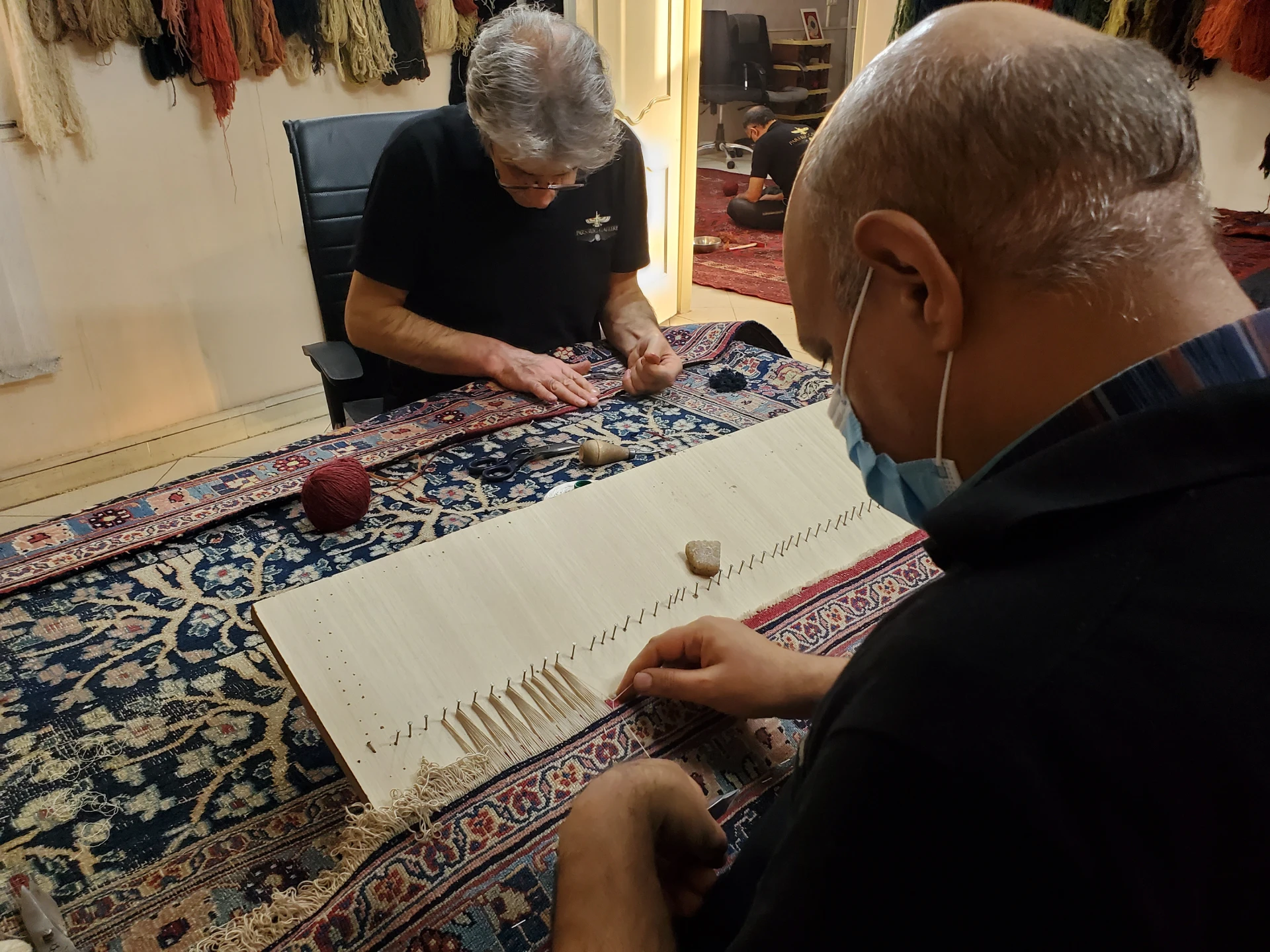
The secret to Persian rugs’ exquisite detail lies in the use of both symmetrical (گره ترکی) and asymmetrical (گره فارسی) knots, depending on the region within Iran. Knotting styles in Persian carpets are based on local traditions and weaving schools. Each Persian-style rug tells a story, woven with symbols and colors that reflect Persian culture, history, and artistic mastery. From the mesmerizing floral medallions of Isfahan rugs to the bold geometric patterns of Heriz rugs, every Persian carpet is a masterpiece. These rugs are often made from hand-spun wool, silk, or a blend of both, using natural dyes that enhance their rich, vibrant hues.
What are Oriental Rugs?

“A great Oriental rug is like a piece of art for your floor—timeless, unique, and endlessly inspiring.”

Timeless and always in style, Oriental rugs are celebrated for their elegance, exceptional craftsmanship, and enduring appeal. These rugs effortlessly add an Eastern flair to interiors, making them a favourite choice in both classic and contemporary homes.

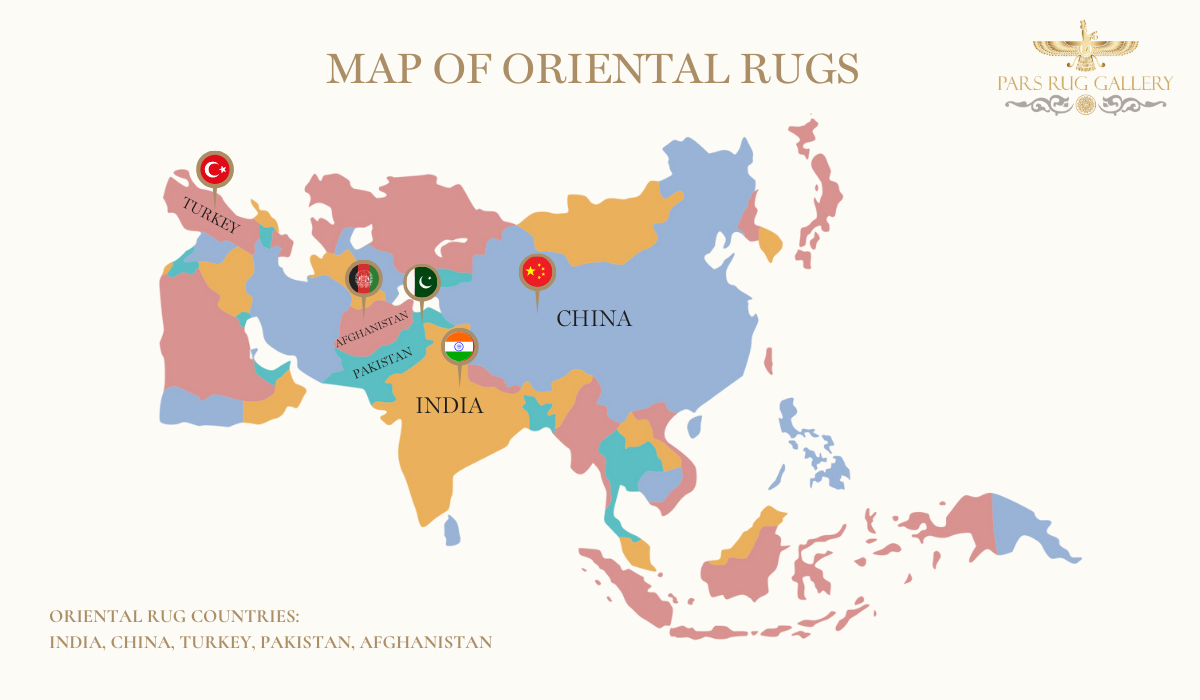
The term Oriental rug refers to a wide variety of handwoven rugs originating from countries such as Turkey, India, China, Pakistan, Afghanistan, and the Caucasus region. Although Persian rugs fall under this broad category, not all Oriental rugs are Persian. What connects many of these weaving traditions is the historical influence of the Persian Empire, which once extended across large parts of Central and South Asia. Persian artistry deeply influenced the weaving techniques of regions like Turkmenistan, Afghanistan, and the Caucasus—many of which were under Persian rule for centuries.

Unlike Persian-style rugs, which are known for region-specific knotting techniques, Oriental rugs often incorporate both the asymmetrical Persian (Senneh) knot and the symmetrical Turkish (Ghiordes) knot. Their aesthetics vary widely—from the luminous silk rugs of China to the bold tribal motifs found in Afghan and Caucasian carpets.

Each Oriental rug carries its own story, shaped by the weaver’s tradition and environment. Whether you prefer the earthy tones of a tribal Afghan rug or the fine detailing of a pink Oriental rug, these textiles offer a rich cultural narrative underfoot.

A skilled weaver may tie up to 10,000 knots by hand in a single day—a remarkable testament to the precision and dedication behind every Oriental masterpiece.

What are Persian Rugs?

“A room should never allow the eye to settle in one place. It should smile at you and create fantasy. A Persian rug does just that.”

Poetry, song, and wine have long been central to Iranian culture, shaping its spirit and soul. Yet, few things represent Persian heritage as beautifully as a Persian rug. Known for their intricate patterns, rich colour palettes, and exquisite craftsmanship, Persian-style rugs are treasured globally as functional art pieces.

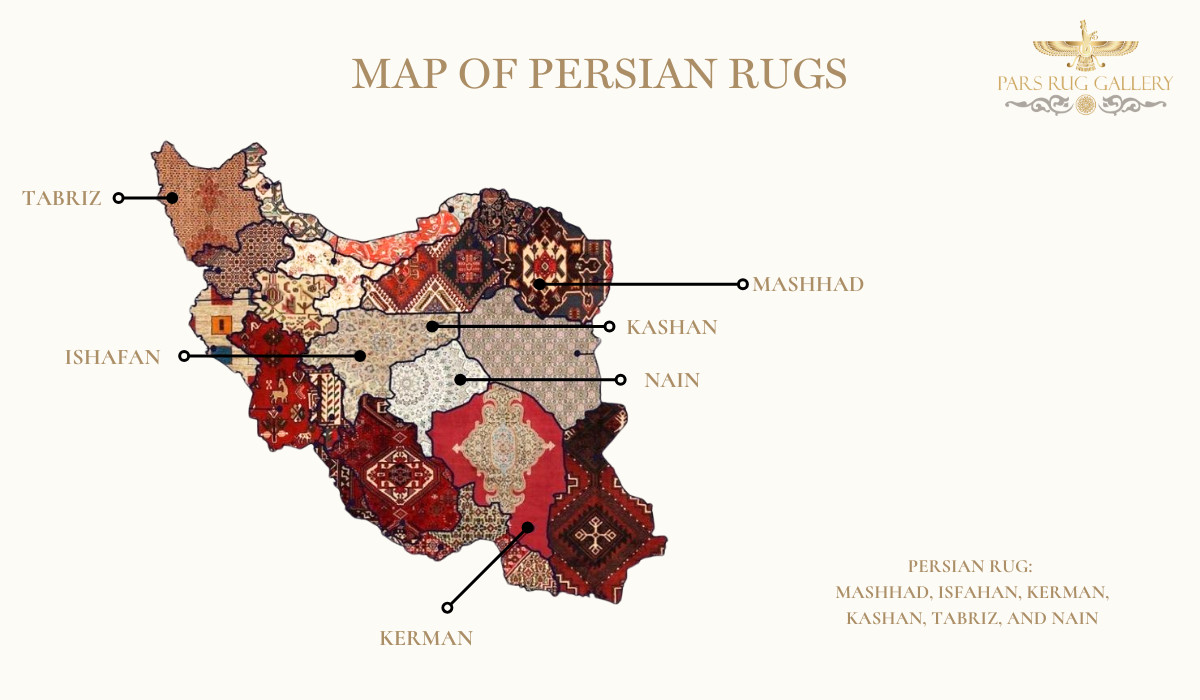
There are many types of Persian rugs, most named after the specific city, tribe, or region in which they are woven. Each area—Mashhad, Isfahan, Kerman, Kashan, Tabriz, and Nain, among others—brings its own design philosophy, dyeing traditions, and knotting techniques. From curvilinear floral medallions to bold tribal geometry, every rug is a unique expression of local identity and artistic vision.

These rugs are celebrated not only for their aesthetic appeal but also for their construction. High knot density, hand-spun wool or silk, and centuries-old weaving methods make Persian rugs an embodiment of quality and storytelling combined.

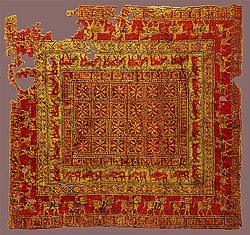
you know the oldest carpet in the world is Persian? The Pazyryk Carpet, discovered in a Scythian burial mound in Siberia, dates back approximately 2,400 years. Its remarkable preservation reveals the sophistication of early Persian weaving—and cements Iran’s place in the history of textile art.

Key Differences Between Oriental Rugs and Persian-Style Rugs

Both Persian and Oriental rugs embody a legacy of skilled craftsmanship and artistic mastery. However, Persian rugs stand as the epitome of weaving excellence, cherished for their intricate patterns, exceptional quality, and timeless elegance. Their influence stretches far beyond Iran’s current borders, shaping rug-making traditions throughout regions once touched by the Persian Empire’s cultural reach.

Whether you’re in search of a treasured heirloom or a visually stunning addition to a modern interior, a Persian-style rug is more than just décor—it’s a living artifact. With each hand-tied knot and symbolic motif, it speaks of history, heritage, and humanity’s creative spirit. Woven with care and meaning, these rugs are a bridge between past and present, bringing warmth, character, and elegance into every space they grace.

Geographic Origin of Rugs

The origin of these rugs plays a foundational role in their classification. Oriental rugs are woven across a vast geographic belt, including countries such as India, China, Turkey, Pakistan, Afghanistan, and the Caucasus region. Each culture contributes its own weaving heritage, resulting in a rich and diverse landscape of rug-making traditions.

In contrast, Persian rugs are exclusively produced in Iran. Cities such as Tabriz, Isfahan, Kashan, Kerman, and Nain are iconic centers of Persian carpet weaving. Every rug from these regions carries distinct patterns and techniques, reflecting the identity of the area in which it was made. While Oriental rugs represent a broader collective of craftsmanship, Persian rugs are rooted in a specific and deeply historic cultural tradition.

Design and Pattern of Rugs

Oriental rugs feature a broad range of designs due to their wide geographic spread. From the bold tribal aesthetics of Afghan rugs to the delicate elegance of Chinese silk carpets, Oriental designs can include everything from geometric shapes and symbolic animals to intricate floral elements. Each design often reflects the cultural values and artistic language of its origin.

Persian-style rugs, however, are renowned for their artistic refinement. They typically display symmetrical floral motifs, elegant medallions, and intricately detailed borders. The compositions are carefully balanced and rich in symbolism. These designs are not merely decorative—they are part of a visual language that has been developed and perfected over centuries, often representing nature, protection, or spirituality

Materials and Weaving Technique of Rugs

Oriental rugs are usually woven with natural materials such as wool, silk, and cotton. The weaving techniques vary by region, but the symmetrical Ghiordes knot—also known as the Turkish knot—is commonly used. While the craftsmanship is often impressive, the methods are diverse and adapted to local traditions.
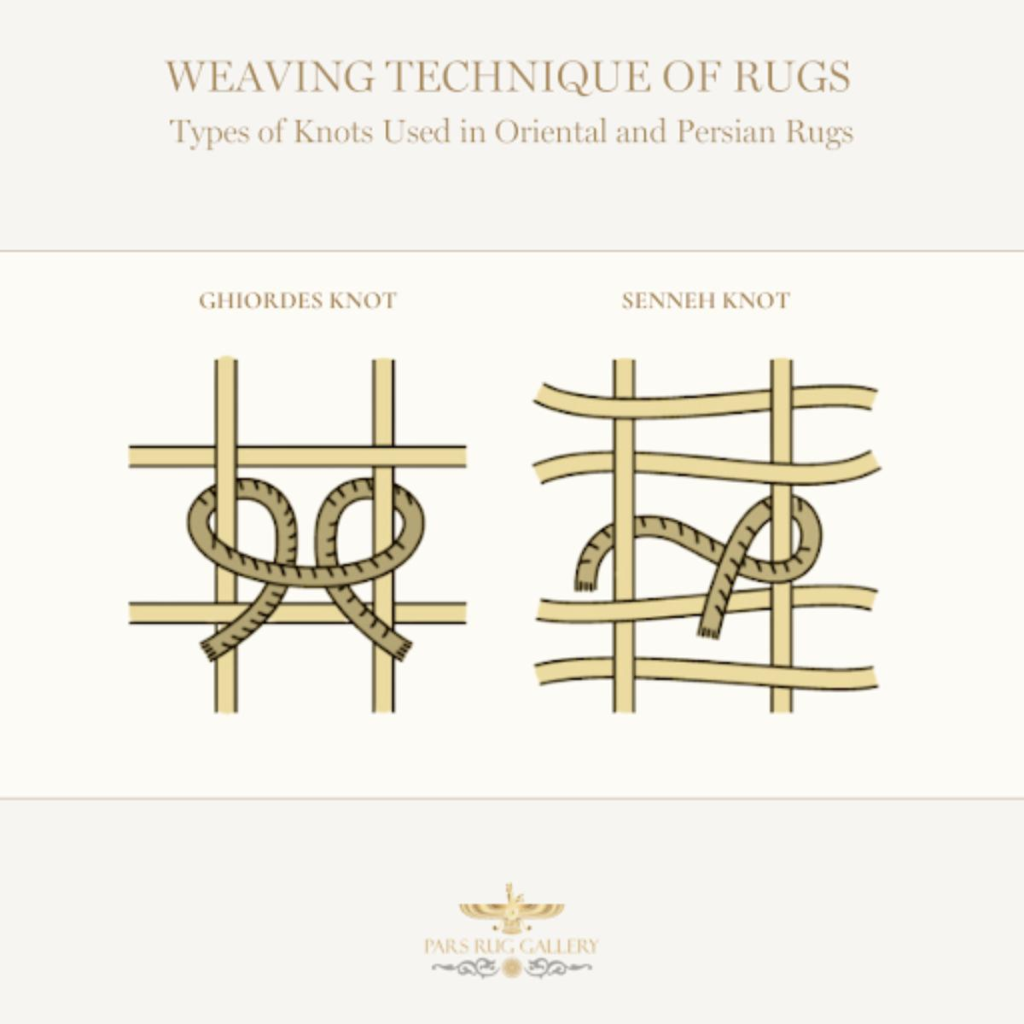
Persian rugs are distinguished by their use of the finest materials available, especially high-quality wool from Iranian sheep and luxurious silk accents. The weaving techniques vary significantly between regions in Iran. What sets Persian rugs apart is their use of both symmetrical and asymmetrical knots—the latter known as the Persian or Senneh knot. This technique allows for greater intricacy and fluidity in the design, contributing to the visual richness and tactile quality of every Persian-style rug.

Quality and Craftsmanship of Rugs

The quality of Oriental rugs can range significantly based on the region, the weaver’s skill, and the market for which the rug is produced. Many Oriental rugs are durable and well-crafted, but they don’t always meet the high standards traditionally associated with Persian rug-making.
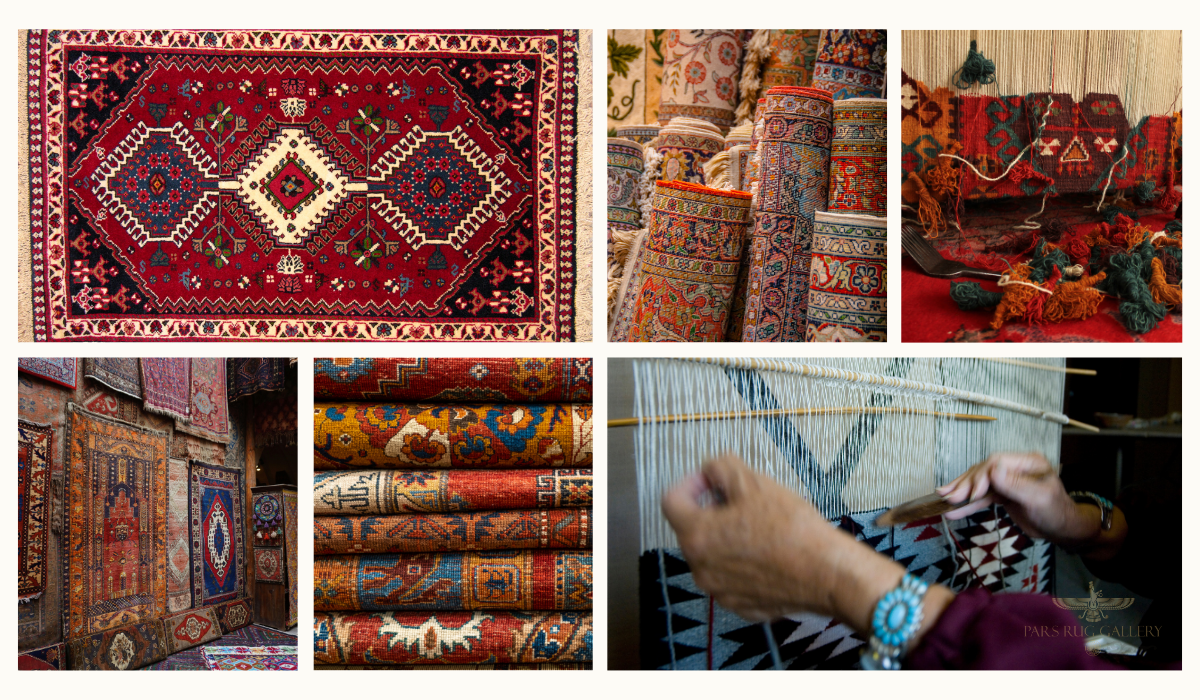
Persian rugs, on the other hand, are globally celebrated as the pinnacle of craftsmanship in the rug world. They are often hand-knotted with extremely high knot density, allowing for complex and finely detailed patterns. Each Persian rug is a labor-intensive masterpiece, and many are considered collectible heirlooms due to their artistic value, structural integrity, and timeless design. Persian Rugs: Often considered the pinnacle of rug-making, Persian rugs are known for their superior quality, detailed artistry and craftsmanship.

Cultural Significance of Rugs

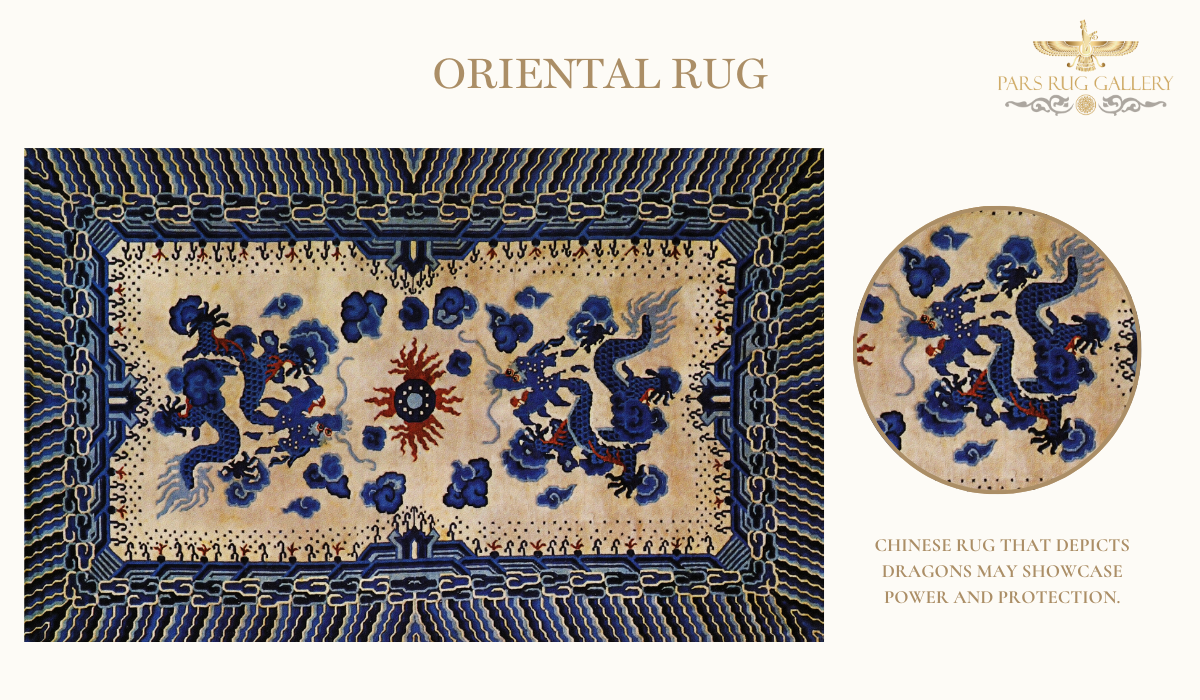
Oriental rugs carry the cultural imprints of the diverse societies that produce them. For example, Chinese rugs may feature dragons as symbols of imperial power and protection, while Turkish carpets might incorporate tree-of-life motifs that signify eternal life and connection to ancestry. The symbolism in Oriental rugs can vary widely, making each rug a cultural artifact.
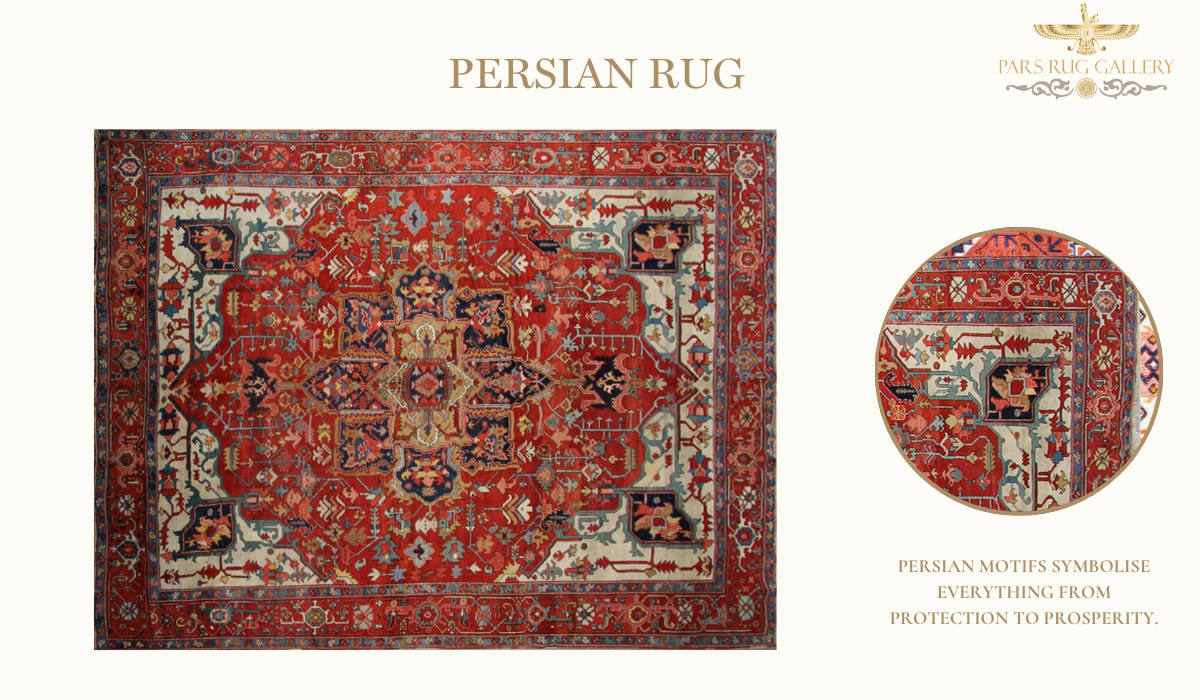
Persian rugs are more than just decorative pieces—they are deeply interwoven with the social and spiritual fabric of Iranian life. Their patterns are often imbued with meaning, passed down through generations of weavers. Whether expressing prosperity, protection, or the beauty of nature, these motifs carry stories of ancient Persia. Each rug becomes a piece of living history, a tangible expression of Iran’s enduring cultural and artistic legacy.

Types of Oriental and Persian Rugs

The enduring popularity of Persian and Oriental rugs lies not just in their beauty, but in the rich diversity of weaving traditions that span regions, cultures, and centuries. Below is a closer look at some of the most sought-after types, each offering a distinct aesthetic and story.

Popular Types of Oriental Rugs

Turkish Rugs

Bold and enduring, Turkish rugs are known for their striking geometric patterns, central medallions, and rich, earthy tones. Woven with high-quality wool and often featuring the symmetrical Ghiordes knot, these rugs are admired for both their visual strength and remarkable durability.

Indian Rugs

Inspired by traditional Persian rug aesthetics, Indian rugs often combine floral and geometric designs. Known for their vibrant colour palettes and adaptability to both traditional and modern interiors, these rugs are crafted with precision and cultural nuance.

Chinese Rugs

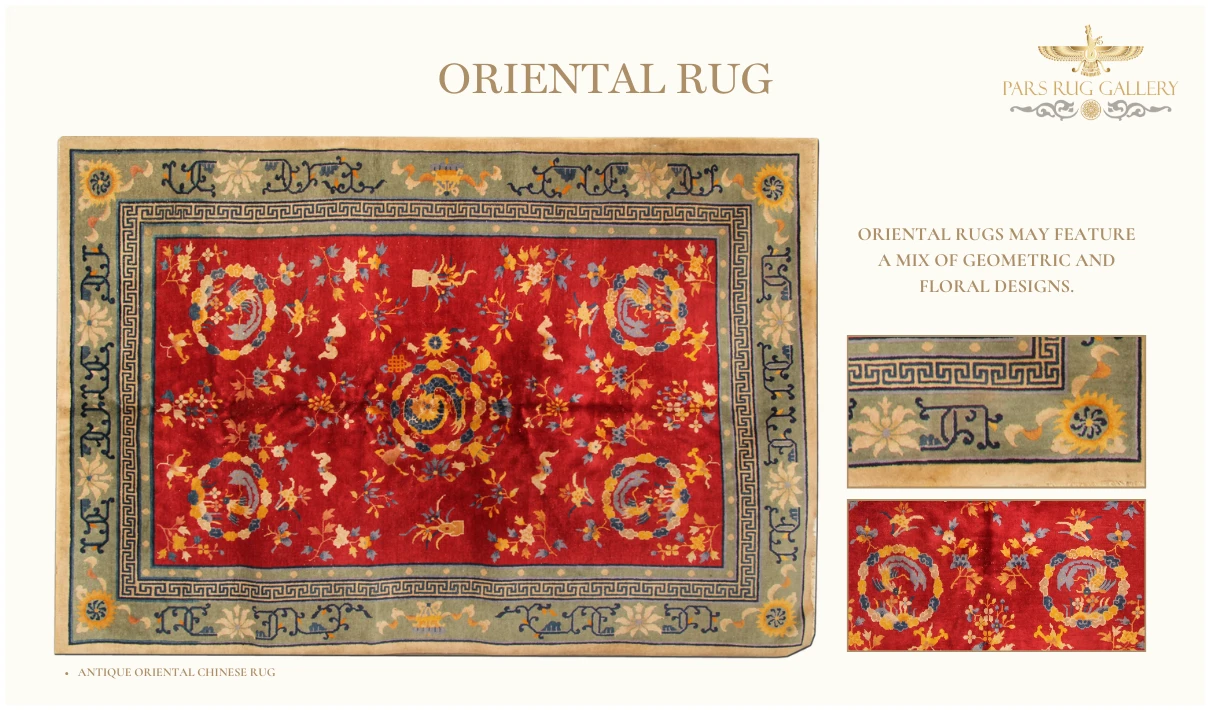
Exquisitely detailed, Chinese rugs are distinguished by symbolic motifs such as dragons, phoenixes, and lotus flowers. These designs reflect centuries of imperial and spiritual tradition. Often woven from silk, they offer a soft, luxurious texture and are cherished for their refined artistry.

Popular Types of Persian Rugs

Tabriz Rugs

Among the most revered of all Persian rugs, Tabriz rugs are known for their complexity and elegance. Featuring elaborate floral motifs, fine borders, and exceptional weaving quality, they embody the height of Persian artistry.

Kashan Rugs

Luxurious and timeless, Kashan rugs often showcase intricate central medallions surrounded by lush floral fields. Crafted from the finest wool and silk, they are considered true classics in the world of Persian-style rugs.

Isfahan Rugs

Delicate yet powerful in design, Isfahan rugs are known for their high knot density, balanced symmetry, and intricate curvilinear patterns. Woven with a blend of silk and wool, they are celebrated as some of the most detailed and valuable carpets Iran has to offer.

Enchanting Persian Collection: Your Perfect Decor Add-ons

The Rising Popularity of Persian and Oriental Rugs in the UK

Across the UK, the demand for Persian and Oriental rugs continues to grow. Homeowners, collectors, and interior designers are increasingly turning to these pieces not just for their visual appeal but for their historical depth and long-term value. A genuine Persian rug is not simply a decorative object—it’s an heirloom, passed down through generations, and treasured for its craftsmanship and cultural resonance.

For those looking to elevate their interiors with minimal effort but maximum impact, investing in a Persian or Oriental rug is a timeless and versatile choice. Whether placed in a sleek contemporary flat or a heritage townhouse, these rugs bridge tradition with modern aesthetics. Their ability to harmonize with both rustic and minimalist interiors makes them highly desirable in today’s diverse design landscape.

Quick Guide: Key Considerations When Choosing a Rug

Authenticity: A Persian rug must be made in Iran, while Oriental rugs can come from countries such as India, China, Turkey, and Afghanistan. Always verify the rug’s origin for authenticity.

Knotting Technique: Persian rugs are known for using both symmetrical (Turkish) and asymmetrical (Persian) knots. Oriental rugs may use similar or varied knotting techniques, depending on their cultural origin.

Design and Patterns: Persian rugs often showcase floral motifs, arabesques, and detailed medallions. Oriental rugs span a wider range—from tribal and geometric to mythological and nature-inspired designs.

Investment Value: Due to their historical significance, high knot density, and meticulous craftsmanship, authentic Persian rugs often increase in value over time, making them not just beautiful additions but meaningful financial investments.

Conclusion: Choosing Between Persian and Oriental Rugs

Both Oriental and Persian rugs have the remarkable ability to transform interiors—adding warmth, character, and an undeniable sense of sophistication. These are more than floor coverings; they are enduring works of art, woven with intention and meaning. Authentic, hand-knotted rugs not only enhance a space aesthetically but also carry significant cultural value and potential for appreciation over time.

The choice between an Oriental rug and a Persian rug ultimately comes down to your personal aesthetic, budget, and design goals. If you’re drawn to intricate patterns, centuries of tradition, and master-level craftsmanship, a Persian rug may be the ideal investment. Persian-style rugs are steeped in heritage, with distinct regional identities expressed through every knot, border, and motif.

Alternatively, if you seek variety, eclectic design influences, and regional diversity, an Oriental rug offers a wider palette. From Chinese silk artistry to bold Turkish tribal patterns, Oriental rugs reflect a broader cultural spectrum—each piece a fusion of local symbolism and ancient technique.

At Pars Rug Gallery, we are proud to offer a carefully curated collection of authentic Persian and Oriental rugs, selected to meet the needs of both seasoned collectors and first-time buyers. Whether you’re in search of a luxurious Persian masterpiece or a vibrant Oriental accent for your space, our gallery celebrates the finest in rug-making tradition. 

Share it on:

On Key

Related Posts

Add Your Heading Text Here

Please select form to show