
A Tapestry of Comfort: Cushions in Every Style and Shade
At Pars Rug Gallery, we believe a cushion is never just a cushion — it’s a work of art, a conversation starter, and the finishing


How can I ensure my Oriental rug complements a modern aesthetic?
If this question resonates with you, you’re not alone.
Oriental rugs have long captivated interior enthusiasts with their intricate motifs, bold colours, and centuries-old craftsmanship. Originating from the culturally rich regions of Persia (Greater Iran), India, Afghanistan, and Anatolia, these handwoven pieces once adorned palaces, temples, and caravanserais. Today, they’re more accessible than ever—yet they still carry an aura of tradition, storytelling, and timeless elegance.
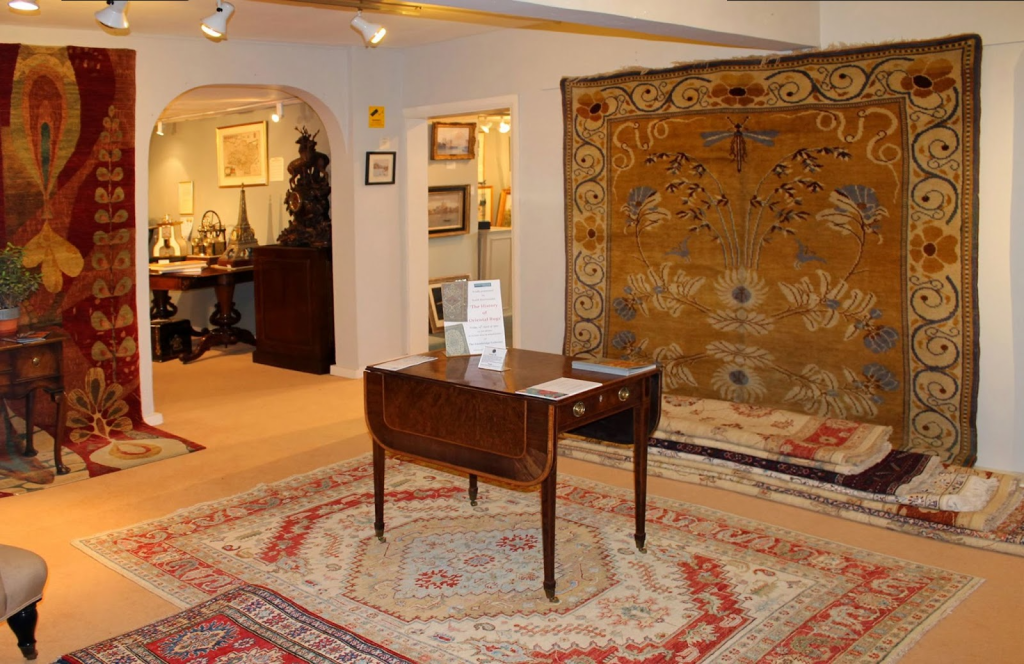
In modern homes, where clean lines and minimalist palettes often reign, incorporating a piece of such historical depth can feel like a delicate balancing act. But when styled thoughtfully, Oriental rugs don’t clash with contemporary aesthetics—they elevate them.
In this guide, we’ll walk you through expert tips to seamlessly integrate Oriental rugs into modern interiors, striking the perfect harmony between old-world charm and present-day sophistication.
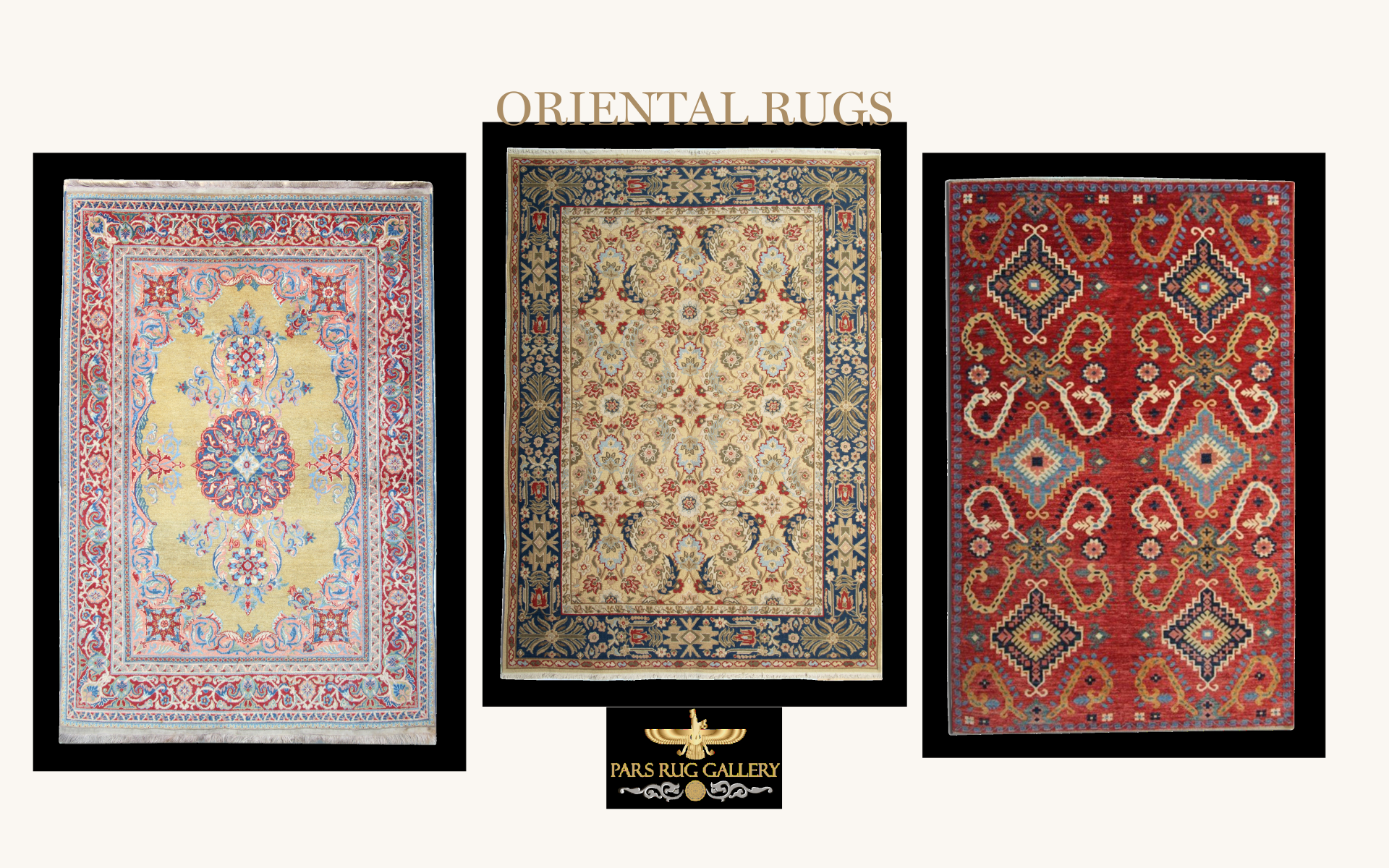
In the realm of interior design, few elements possess the enduring allure of Oriental rugs. These woven masterpieces are far more than mere floor coverings—they are living testaments to centuries of artistic tradition, cultural identity, and exquisite craftsmanship. Whether placed in a stately drawing room or a sleek, minimalist flat, Oriental rugs bring with them a sense of timeless elegance that transcends both trends and geography.
Hand-knotted with remarkable precision, Oriental rugs originate from the storied regions of the East—most notably Persia (modern-day Iran), Turkey, India, and China. Each piece reflects the cultural aesthetics and symbolic traditions of its birthplace. Their intricate motifs, from flowing floral arabesques to sharply defined geometric forms, tell visual stories that are both ancient and deeply rooted in regional heritage.
The colours are equally evocative—think deep crimson, imperial blue, or soft earth tones—each hue carefully chosen to convey meaning and enhance atmosphere. These rugs offer a versatile foundation, harmonising beautifully with both classic and contemporary spaces.
One of the most captivating aspects of Oriental rugs is the rigour and artistry involved in their creation. Crafted entirely by hand, some rugs take several months—others, even years—to complete. Every knot is placed with painstaking care by skilled artisans, many of whom inherit this knowledge through generations of weaving tradition.
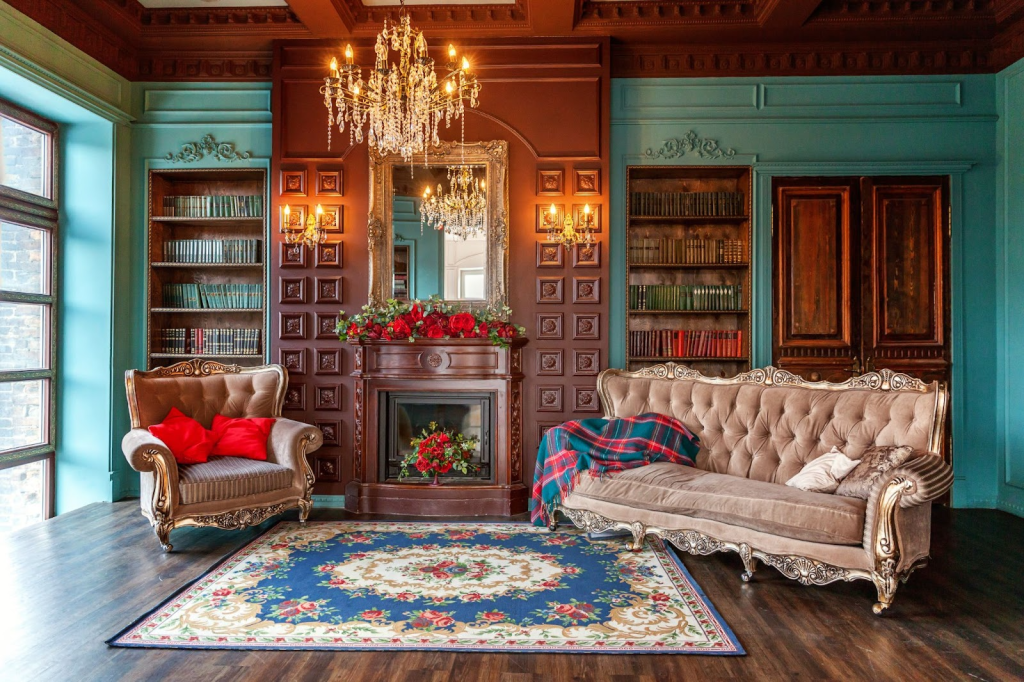
Selecting the ideal Oriental rug for a modern interior can, at first, feel somewhat daunting. With a seemingly endless array of colours, patterns, and dimensions available, one might well wonder: where does one begin?
The key lies in striking a harmonious balance between the timeless character of the rug and the contemporary elements of your space. When chosen thoughtfully, an Oriental rug does not compete with modern décor—it elevates it, offering a foundation of warmth, narrative, and sophistication. Allow us to simplify the process for you.
When incorporating an Oriental rug into a modern interior, it is essential to consider the specific function and usage of the space. A high-traffic area—such as an entryway or hallway—will benefit from the durability and resilience of a hand-knotted wool rug, renowned for its strength and longevity. By contrast, a bedroom or a more private sitting area may lend itself beautifully to the refined softness and luminous sheen of a silk rug, creating a more serene and indulgent atmosphere.
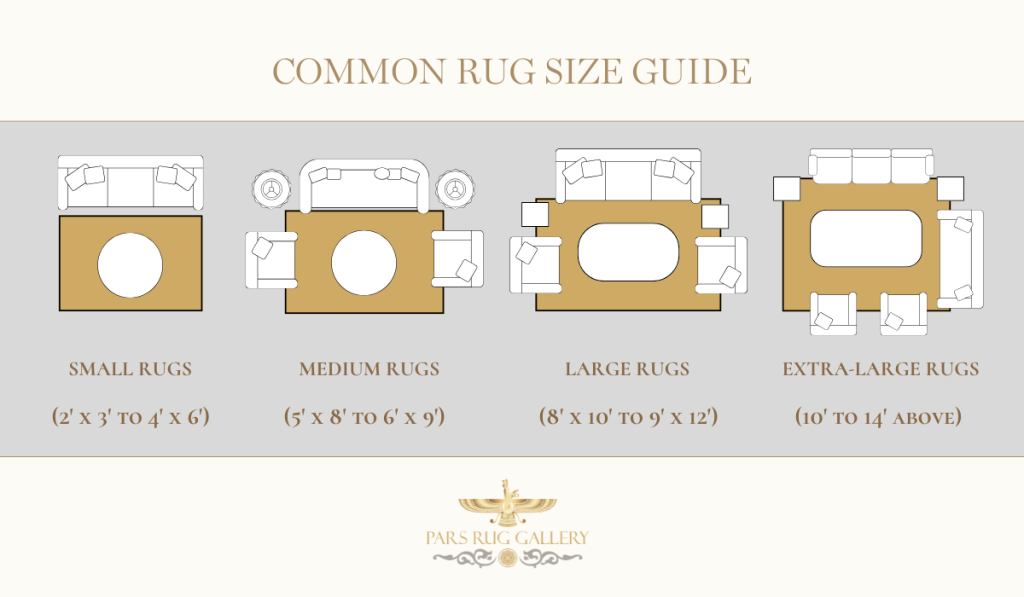
Choosing the correct rug size can prove challenging, particularly for those less familiar with the nuances of interior planning. A helpful guiding principle—widely embraced by design professionals—is to select a rug large enough to anchor the primary furniture within the space. In a living room, for example, the rug should extend beneath the front legs of the sofa and armchairs. This approach creates a unified, intentional aesthetic and avoids the appearance of the rug as a mere decorative afterthought. A well-proportioned rug not only defines the room but also enhances its visual harmony.
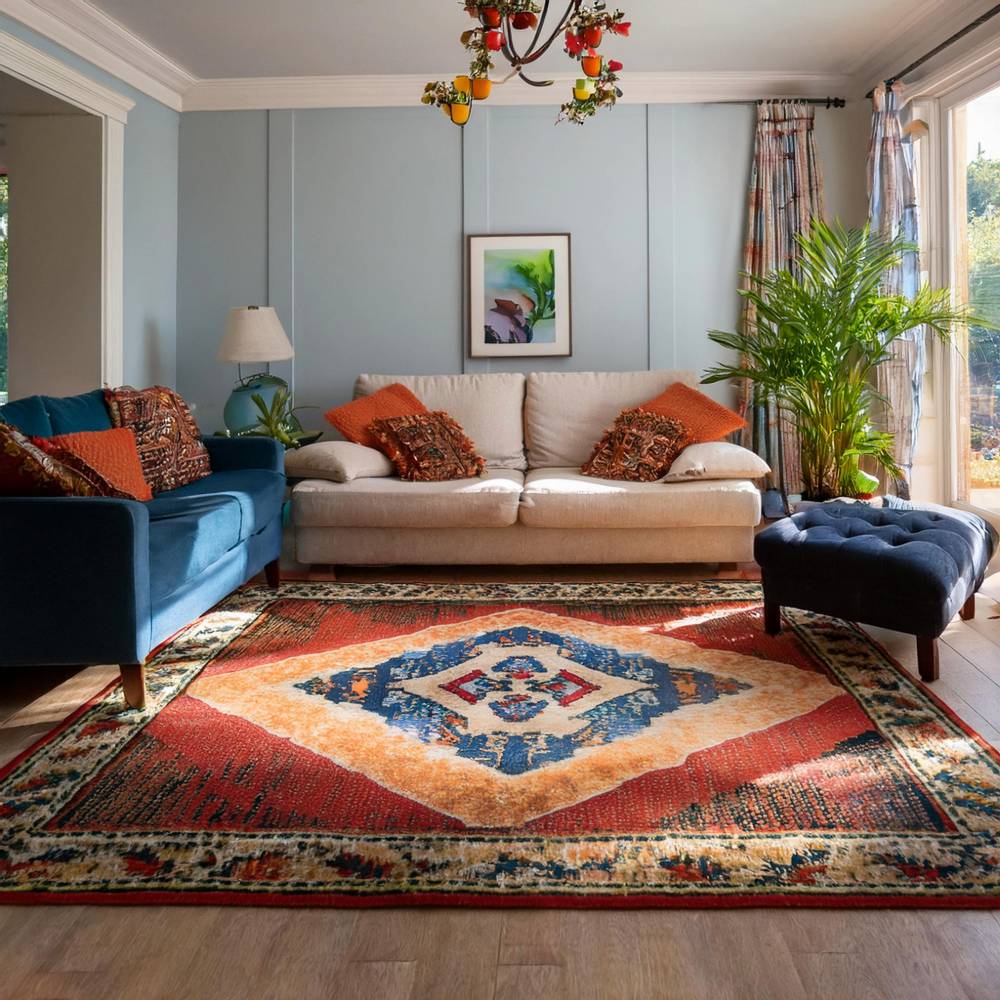
When selecting the colour palette and pattern of an Oriental rug for a contemporary interior, thoughtful consideration is key. A well-chosen rug can either serve as a bold focal point or a subtle complement, depending on the overall design intent. You may wish to reflect on the following guiding points:
Harmonise with existing décor: Choose colours that echo or complement the tones already present in your furniture, walls, and artwork. This fosters cohesion and visual balance. Create contrast for drama: In minimalist or monochromatic spaces, a richly patterned rug with vivid hues can introduce depth and character without overwhelming the room. Use pattern to guide the eye: Geometric designs can lend structure and rhythm to modern interiors, while floral or curvilinear motifs may soften more rigid architectural lines. Mind the mood: Deep reds and blues convey opulence and tradition, while neutral tones—such as ivory, taupe, or soft greys—offer a more understated elegance that aligns seamlessly with contemporary aesthetics.
Selecting the right colour for an Oriental rug in a modern home is essential to achieving a harmonious balance between traditional richness and contemporary simplicity. For interiors defined by minimalist design and clean lines, opt for rugs in subdued tones such as beige, soft grey, or ivory. These understated hues allow the craftsmanship and texture of the rug to speak quietly yet eloquently—enhancing the space without disrupting its visual serenity.
If you wish to introduce vibrant colours to create a focal point, then go for deep blue, red, or green rugs. The key is to ensure that the rug’s colour complements the space or contrasts the colour palette, adding warmth to the overall design.
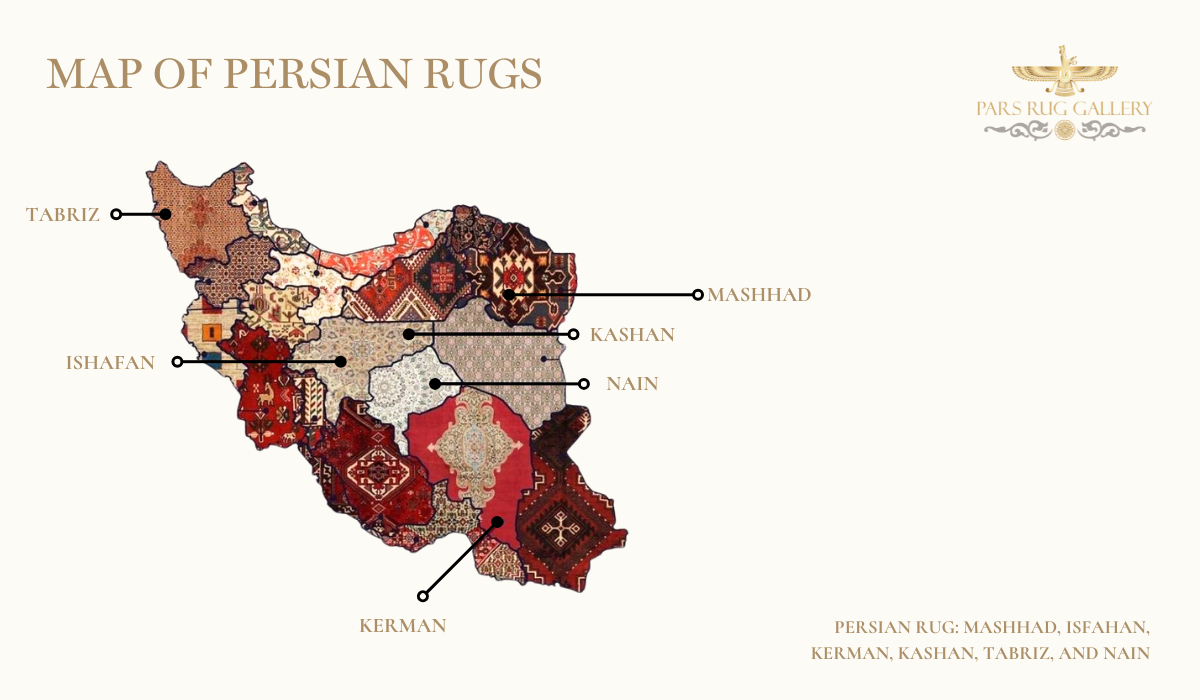
The Importance of Provenance and Craftsmanship. When decorating a contemporary home with Oriental rugs, it is essential to consider not only the colour and pattern, but also the provenance and craftsmanship behind each piece. Every region has cultivated its own distinctive weaving traditions, with specific motifs, palettes, and techniques—each a reflection of its history, cultural values, and aesthetic sensibilities.
For example, Turkish rugs often feature geometric patterns rendered in soft, muted tones—ideal for complementing minimalist or Scandinavian-inspired interiors. Conversely, rugs from the Caucasus region, such as Kazak, are renowned for their bold, declarative motifs and vibrant colour schemes. In a modern setting, such pieces can serve as arresting focal points, imbuing the space with character and depth.
Ultimately, the most compelling Oriental rugs are those that speak to both your aesthetic vision and your personal narrative. By choosing a piece not merely for its decorative function but for the cultural story it carries, you transform the rug into something far more meaningful—an expression of your appreciation for artistry, heritage, and timeless design.
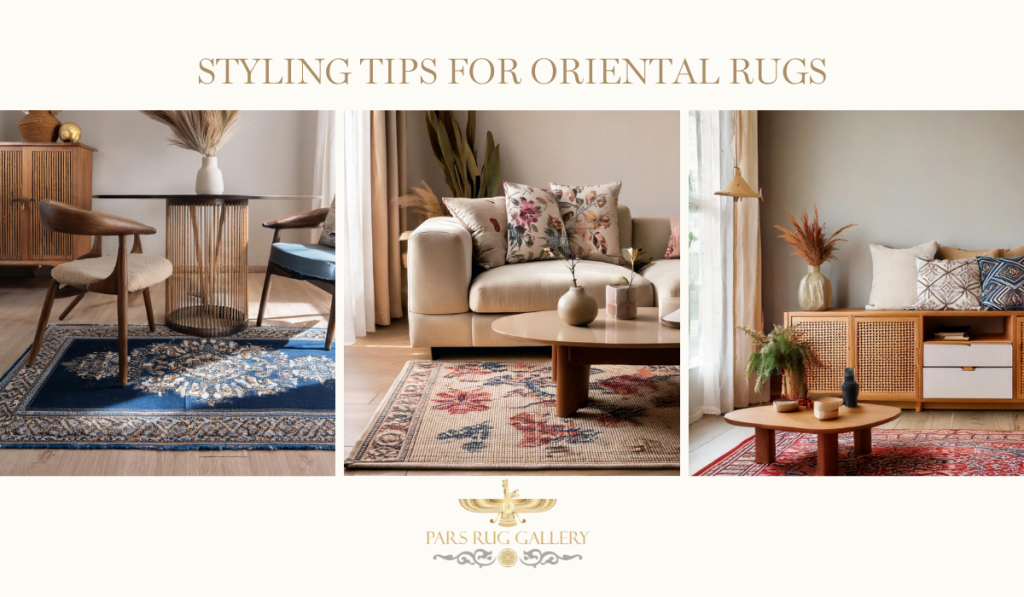
Now that you have a deeper understanding of how to select an Oriental rug, the next step is to integrate it thoughtfully into your contemporary interior. Below are expert recommendations for achieving a seamless and visually compelling design:
One of the most effective ways to style an Oriental rug in a modern setting is to allow it to become the focal point of the room. By maintaining a restrained and minimalist décor elsewhere, you permit the rich patterns and colours of the rug to shine. This approach is particularly striking in spaces dominated by neutral tones, where the rug can serve as a vivid and captivating anchor.
Layering rugs is a sophisticated design technique that introduces visual interest and texture. Begin with a large, neutral foundation rug, and layer a smaller Oriental rug atop it. This method not only showcases the artistry of the upper rug but also invites you to explore complementary textures, colours, and patterns. Moreover, it offers practical benefits—protecting the rug beneath while adding depth and individuality to the space.
A contemporary space need not be defined solely by sleek lines and modern materials. Pairing a traditional Oriental rug with modern furniture can create a beautifully balanced aesthetic. For example, a clean-lined, modern sofa set against the intricate detail of a Persian rug can evoke a sense of refined comfort—melding old-world charm with present-day elegance.
In open-concept living areas, where architectural boundaries are minimal, rugs can serve as powerful tools for delineating space. An Oriental rug placed beneath a seating arrangement or dining area helps define distinct zones while preserving the cohesive flow of the room. This approach adds both structure and warmth, enhancing the overall harmony of the design.
For instance, pair it with the softness of velvet cushions or the texture of a rustic wooden coffee table. Introducing texture to your room can change the space totally and an oriental rug can become a key element in creating a visually appealing interior. Oriental rugs can create a balanced environment with each area having its own identity yet all parts connected together.
Bringing home oriental rugs can beautify your space and uplift the whole atmosphere which cannot be achieved with an average rug. As these rugs set quite a high standard, they also require maintenance and care. Worried about oriental rugs’ cleaning? Here’s what you can do:
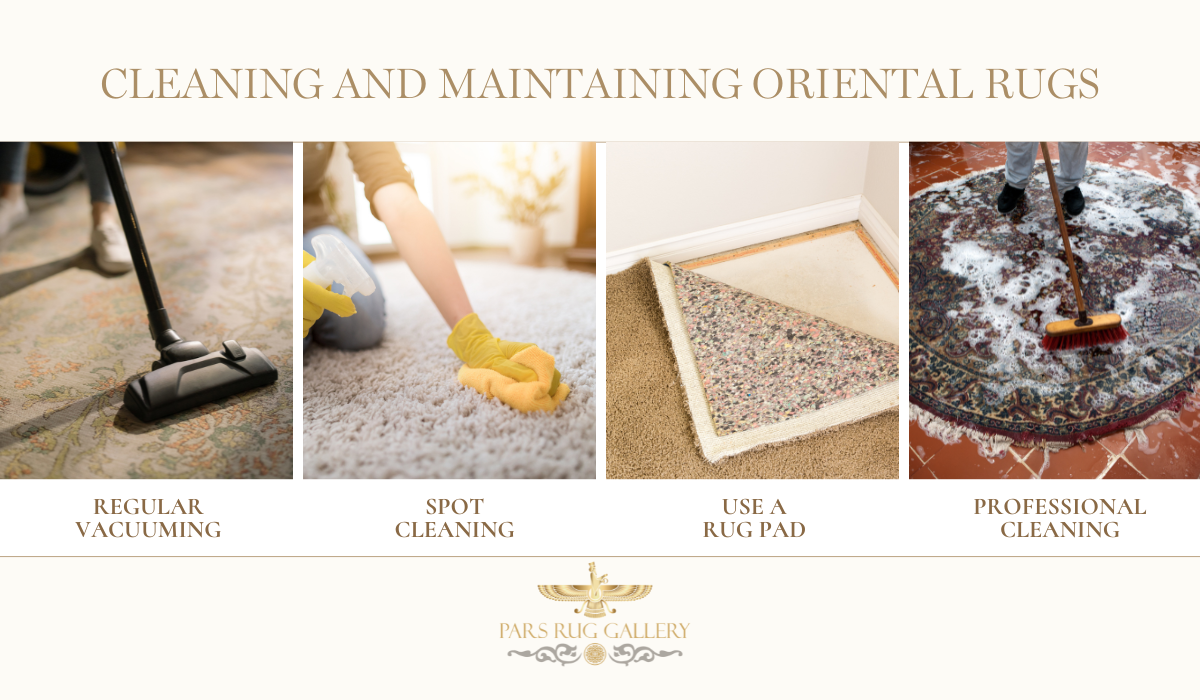
Vacuuming the rug will keep dust and dirt from sticking to the fibres of the rug. Avoid vacuuming with a beater bar, which can damage the delicate materials of the rug. Use a vacuum attachment or a hand vacuum instead.
Some experts recommend rotating the rug once or twice a year, it is usually best to rotate every month or two if the rug is placed in high-traffic areas. Doing this can lead to evenly distributed wear, giving your rug a uniform look.
To maintain your oriental rug, keep it away from sunlight. Rugs when exposed to sunlight can cause the colour to fade away. So, it’s best to block sunlight from hitting the rug. If that’s not possible, try rotating the product frequently to ensure uniformity.
Accident spilling can happen any time and stains can easily remain if you don’t clean the spot immediately. If that happens, dab the stain with a dry piece of cloth to soak up the liquid. Use water instead of bleach or soap (as they can damage the oriental rug). For tough stains, it’s best to get professional help.
Placing a rug pad beneath the oriental rug helps keep the shape and reduce wrinkling. Additionally, it also helps prevent the rug from slipping and usual wear and tear when rugs are placed in high-traffic areas.
Oriental carpet cleaning should be done professionally every 1 or 2 years, depending on the usage and placement of the carpet. Heavy traffic areas require more cleaning. Look for rug cleaning services online or someone who specialises in cleaning oriental rugs. Professional rug cleaners have a clear understanding, knowledge, and essential tools to handle delicate materials and designs. Since rugs are a little on the expensive side, it’s best to go for a professional cleaning service to remove dirt and freshen the fibres and colours.
Bringing oriental rugs is a truly captivating way to integrate character, history, and culture into your modern home. The key is to find the right balance between modern interior and traditional rug— the old and the new. Whether you’re a seasoned interior designer or a homeowner looking for a fresh space, these expert tips will help you design your home confidently.
If you’re looking for oriental rugs in the UK, consider exploring Pars Rug Gallery for an exquisite collection. With a range of designs, sizes, and colours available, you’re sure to find the perfect rug that fits your needs.
Remember that an oriental rug isn’t just any other rug—it’s an investment in beauty!
At Pars Rug Gallery, we believe a cushion is never just a cushion — it’s a work of art, a conversation starter, and the finishing

In the world of rug restoration, there are moments that feel like pure privilege—moments when a piece arrives not just as a textile, but as

At Pars Rug Gallery, we regularly receive rugs that have journeyed through generations—each one carrying not just fibers and knots, but history, memory, and value.

Rugs possess not only aesthetic beauty but also historical and artistic significance. Whether a timeless Persian heirloom, a finely woven modern piece, or a striking

In the refined setting of a well-appointed home, a rug does far more than simply cover the floor—it becomes a canvas of comfort, character, and