
A Tapestry of Comfort: Cushions in Every Style and Shade
At Pars Rug Gallery, we believe a cushion is never just a cushion — it’s a work of art, a conversation starter, and the finishing


In a world where spaces reflect the soul, the conversation around home decor is evolving. It is no longer solely about achieving a style—minimalist or maximalist, modern or classic—but about evoking a sense of warmth, of story, of memory. At the heart of this transformation lie handmade rugs—woven poetry beneath our feet.
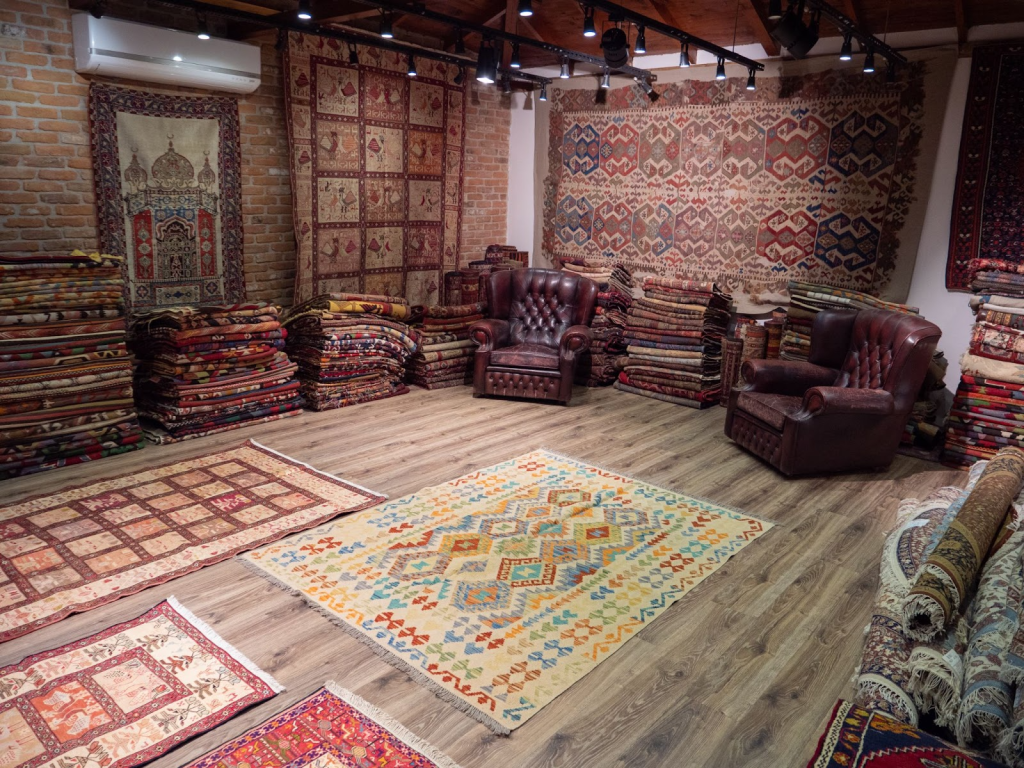
Among these, Kilim rugs carry a legacy that transcends trends. With every thread, they whisper tales of distant landscapes and ancient hands that wove under sunlit skies. Their flatweave structure—both strong and supple—embodies the harmony of art and function, making them as enduring as they are beautiful. Their patterns are not just decorative; they are symbolic, rooted in tribal identities and regional histories.
Whether nestled into a bohemian nook, grounding a modern loft, or adding soul to a traditional space, Kilim rugs effortlessly belong. Their earthy hues and bold motifs bring character to any room, while their lightweight, low-pile nature ensures ease of care—a quiet nod to their enduring practicality in everyday life.
Let us not see these pieces as mere furnishings, but as storytellers—living artworks that breathe warmth, culture, and character into our homes.
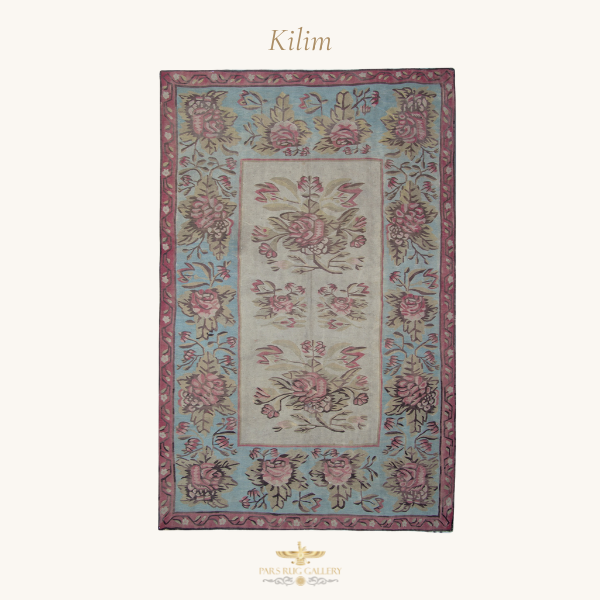
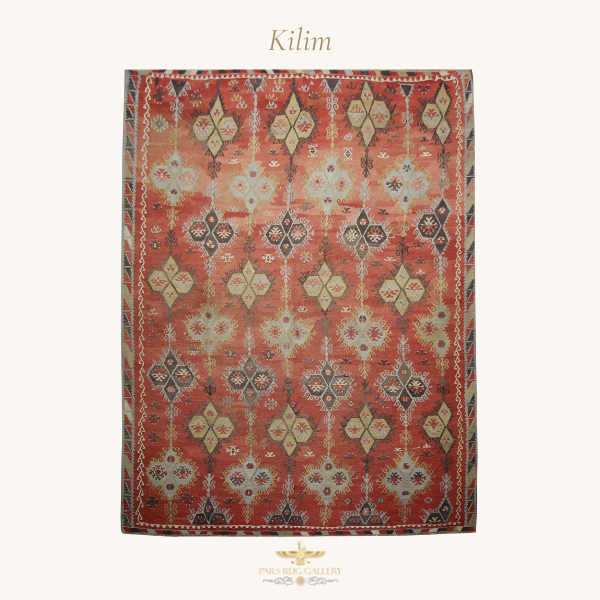
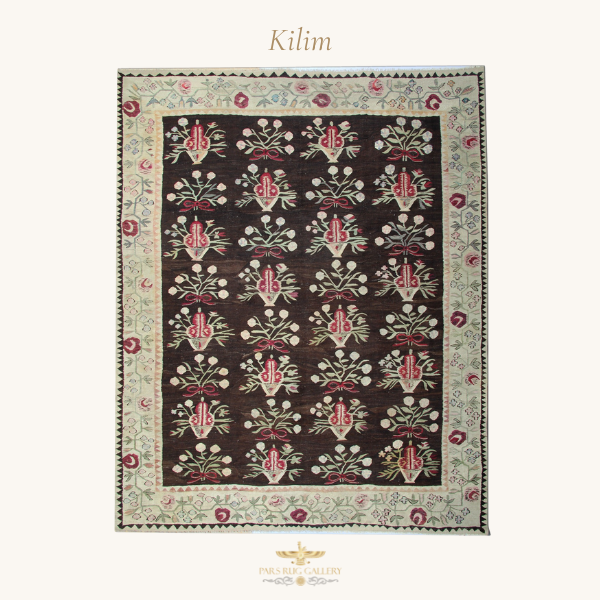
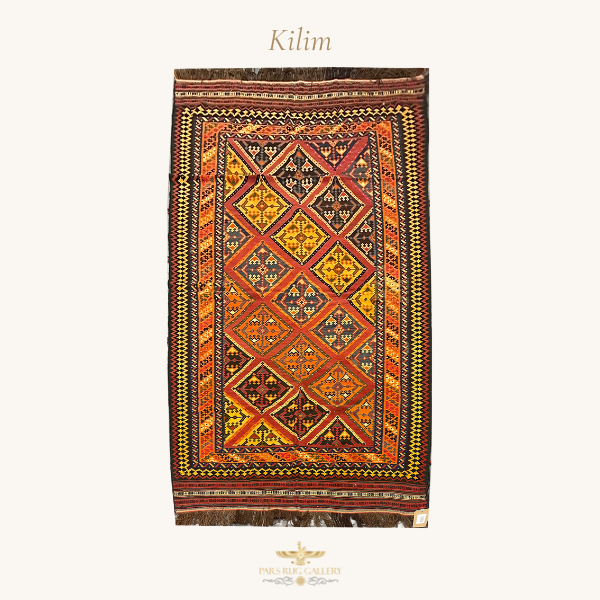
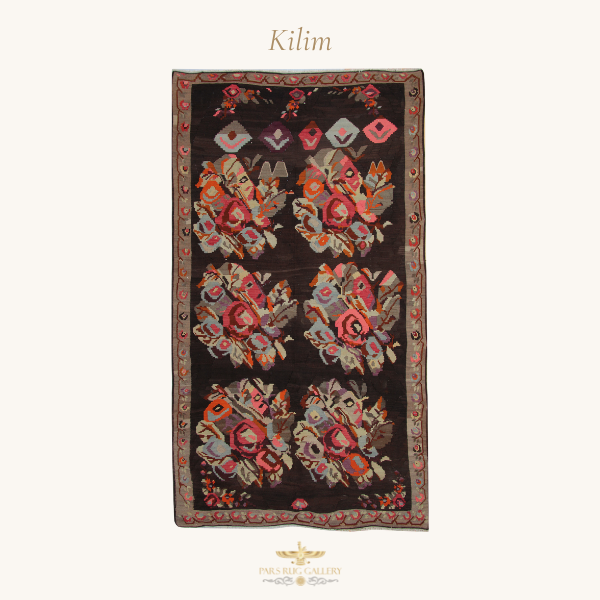
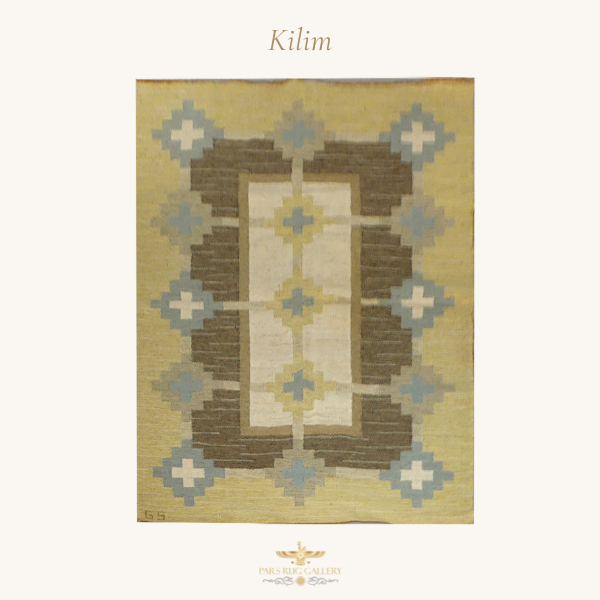
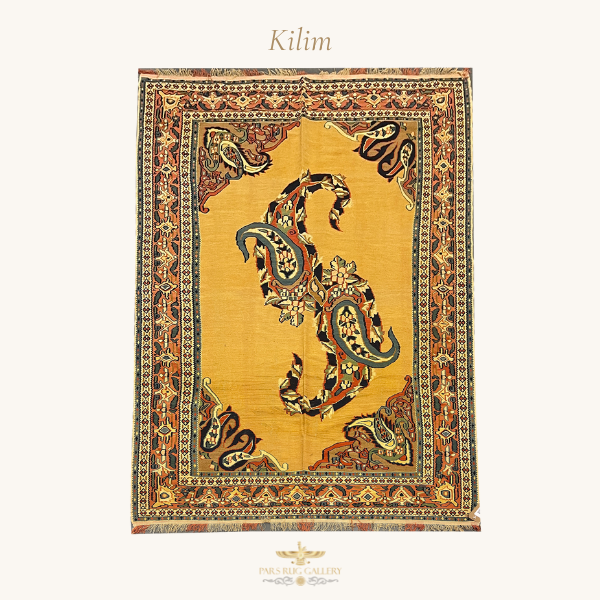
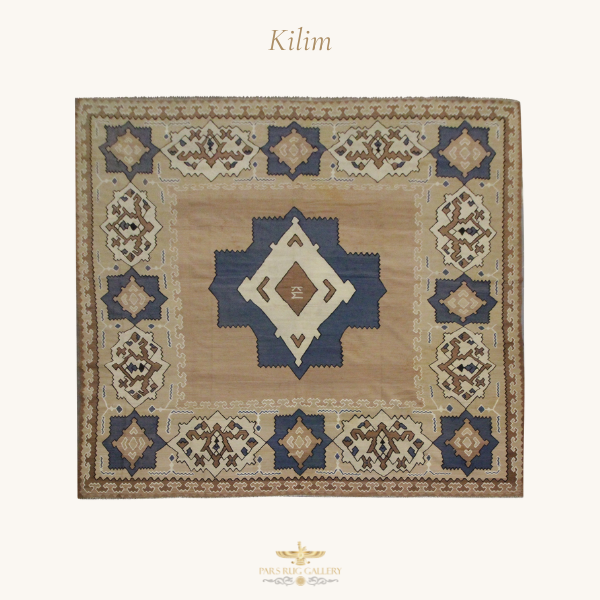
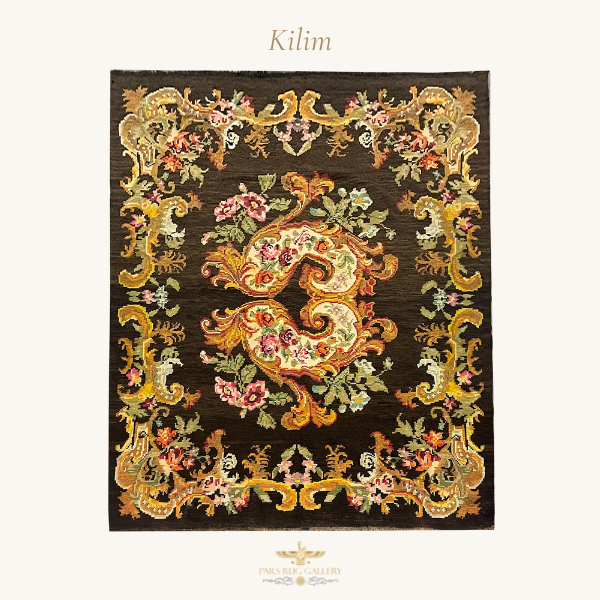
What is a Kilim, you may ask? Persian kilims, or gelim, are traditional flatwoven textiles with a history dating back to prehistoric Iran, used by nomadic tribes like the Scythians for functional and symbolic purposes. Unlike knotted carpets, kilims are made without a pile and were historically used as floor coverings, tent dividers, and bags. Over centuries—from the Achaemenid and Sassanid empires through the Islamic and Safavid periods—kilim weaving evolved in design and purpose, incorporating geometric, spiritual, and nature-inspired motifs rooted in Zoroastrian and tribal beliefs. The craft flourished particularly under the Safavids, with rich natural dyes and tribal symbolism, and later gained global attention during the Qajar and Pahlavi periods through exports and craft schools.
Today, Persian kilim weaving continues among tribes like the Qashqai, Kurds, Shahsavan, Lurs, and Baluch, each known for distinctive regional styles and motifs such as ram’s horns (strength), elibelinde (fertility), and the tree of life (vitality). Though impacted by modernization, loss of nomadic life, and commercial pressures, the tradition is being revived through UNESCO recognition and cultural preservation. Persian kilims remain vital as both artistic expressions and cultural heirlooms—woven histories passed down through generations of mostly female artisans. From Iran, kilims spread along ancient trade routes such as the Silk Road and through diplomatic gifts, influencing textile traditions in Anatolia (Turkey), the Caucasus, Central Asia, and the Balkans—laying the foundation for a wider family of flatwoven rugs across the Islamic and Eurasian world.
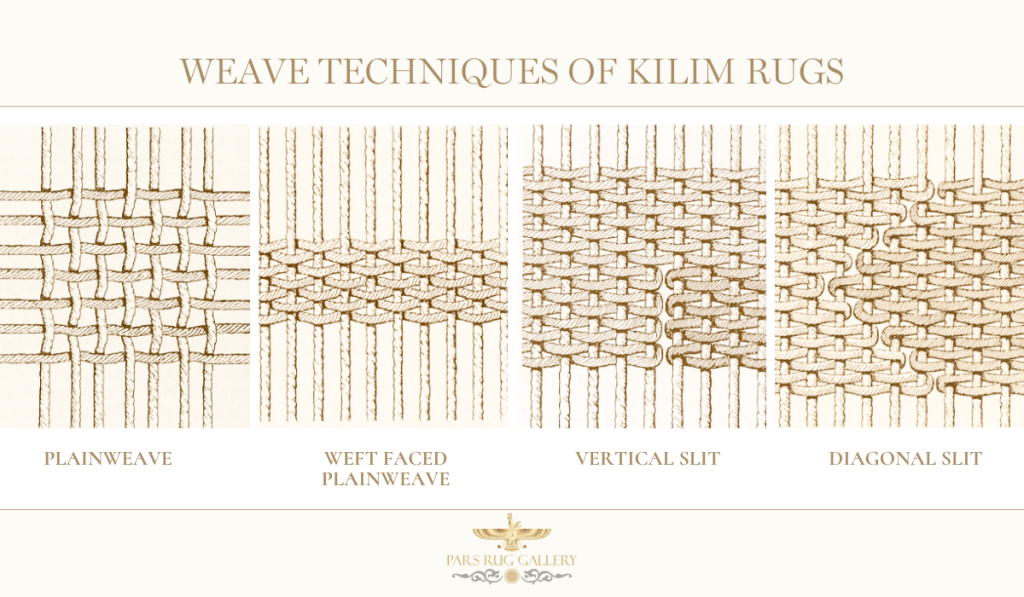
There is the Plainweave, steady and balanced, where warp and weft cross like steady heartbeats—reliable, harmonious. Then comes the Weft-Faced Plainweave, a bolder gesture in which the weft thread dances forward to paint the surface in rhythmic motifs. In more expressive designs, Vertical Slits appear—small intentional gaps that define shapes with striking precision. Diagonal Slits, on the other hand, flow more subtly, giving form to organic curves and tribal patterns that feel almost fluid.
Each of these techniques is not only a creative choice but a reflection of regional identity and storytelling tradition. And while these weaves craft visual poetry, they also result in practical beauty—rugs that grow softer underfoot over time, yet remain strong and enduring.
Crafted from fine wool, cotton, or silk, Kilim rugs from the UK and beyond are known for their resilience. Their tightly woven structure resists dust and fading, and they’re easily cleaned with a simple vacuum or spot care. But above all, their charm lies in the fact that no two are ever quite the same—each piece is a woven soul, quietly enriching any space it inhabits.
A Kilim rug is not just a decorative piece—it is a quiet storyteller, a bridge between tradition and contemporary living. Rooted in heritage and handwoven with care, these rugs carry the warmth of distant landscapes and the pulse of ancient craftsmanship. When introduced into our modern homes, they do more than beautify; they ground us, soften the edges of our spaces, and whisper stories underfoot.
Kilim rugs work quite well with different design styles these days. The beautiful Turkish kilim rugs add flair to an otherwise boring space. What’s interesting is that they sometimes even go beyond their role as a simple rug, which we will discuss in the latter part of this blog.

In the living room—the heart of the home—a Kilim rug serves as both anchor and accent. Placing it at the center allows it to speak with presence, inviting warmth and grounding the space with character. Choose a piece whose colors echo the tones of your furniture, or let contrast work its magic by pairing vibrant motifs with muted seating.
There is quiet power in restraint too. A Kilim rug paired with neutral furnishings allows its patterns to breathe and shine—each woven symbol becoming a point of visual poetry. For those who enjoy playful harmony, layering a small Kilim atop a larger, neutral rug adds a tactile richness, blending tradition with contemporary design in a single gesture.
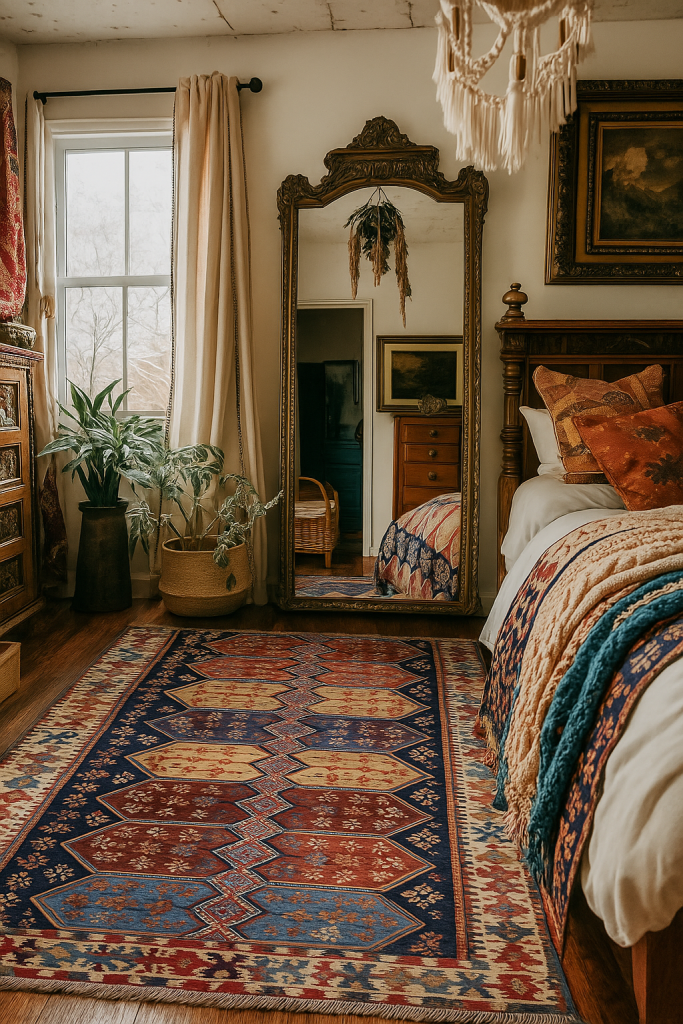
A bedroom is more than a place to rest—it is a retreat, a sanctuary of softness. And nothing complements this space better than the gentle texture and warm spirit of a Kilim rug. Placed at the foot of the bed or along the side, a Kilim becomes the first thing your feet greet each morning—a woven welcome into your day.
To create visual harmony, choose hues that echo your bedding or accent tones in your décor. Soft terracottas, indigos, and ochres can lend warmth and soul to even the most minimal rooms. According to Turkish folklore, a red Kilim is said to radiate energy and protection, filling the room with vitality and love. It’s more than colour—it’s meaning woven into thread.
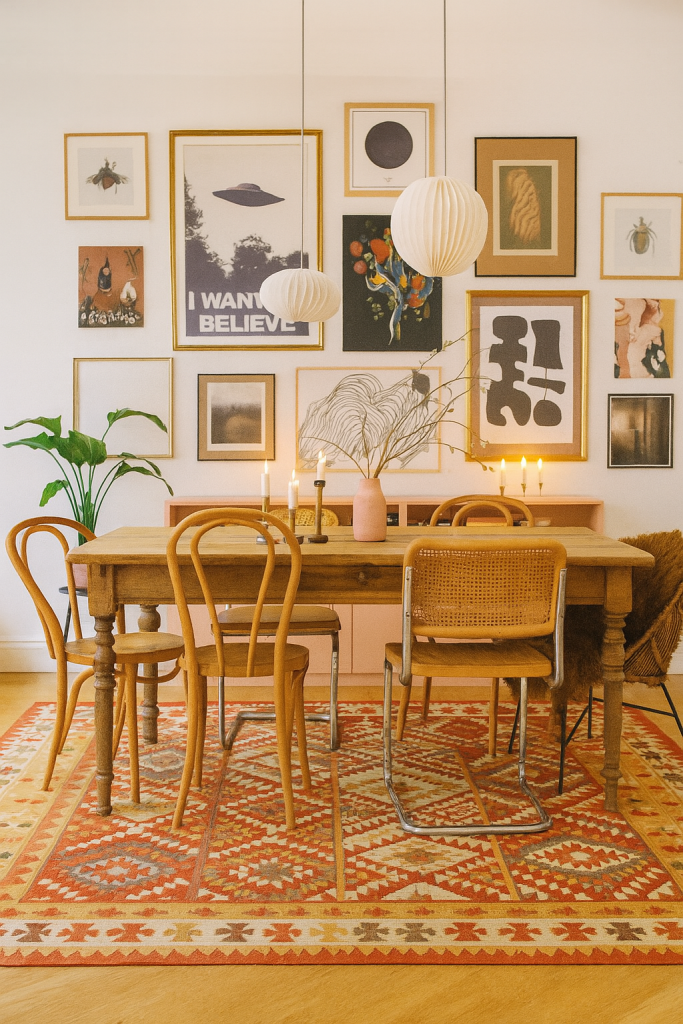
In the dining room, where conversations stretch across shared meals and laughter lingers in the air, a Kilim rug brings grounding and grace. Beneath a table, it defines the space—framing the ritual of gathering with colour, texture, and cultural richness.
Let your Kilim be expansive enough to hold not just the table, but every chair, even when pulled out. This isn’t just a styling trick—it’s a gesture of hospitality. In open-plan homes, a Kilim underfoot becomes a soft boundary, distinguishing the dining area while adding vibrancy to the room.
Pro Tip: Round Kilims complement circular tables with elegance, while rectangular rugs echo the length and lines of a long table—both offering symmetry and balance in their own way.
To explore Kilim rugs in all shapes and sizes, visit the curated collection at Pars Rug Gallery.
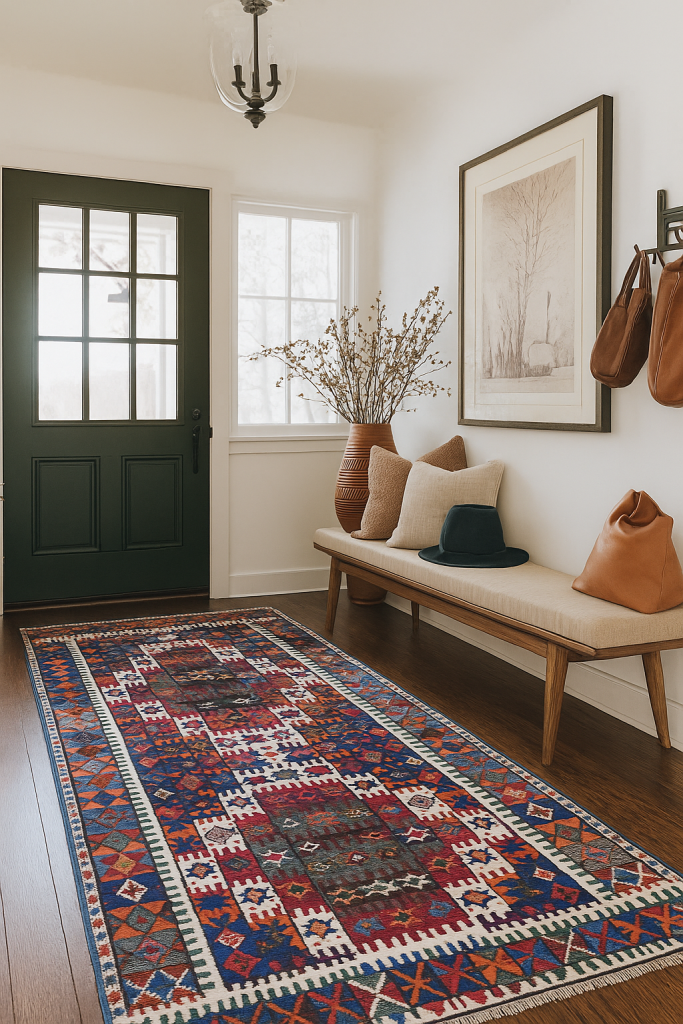
The entryway is the prelude to your home’s story. It is where impressions begin and energy flows in. A Kilim runner, long and graceful, instantly transforms a bare hallway into a narrative of warmth and welcome.
With its slim profile and timeless appeal, a Kilim runner is perfect for narrow corridors and transitional spaces. The motifs guide the eye, leading guests deeper into your home’s soul. Whether muted or bold, this small yet powerful detail signals care, intention, and cultural depth from the very first step.
For guidance on selecting the right size, don’t miss our rug size guide to style each space with balance and beauty.
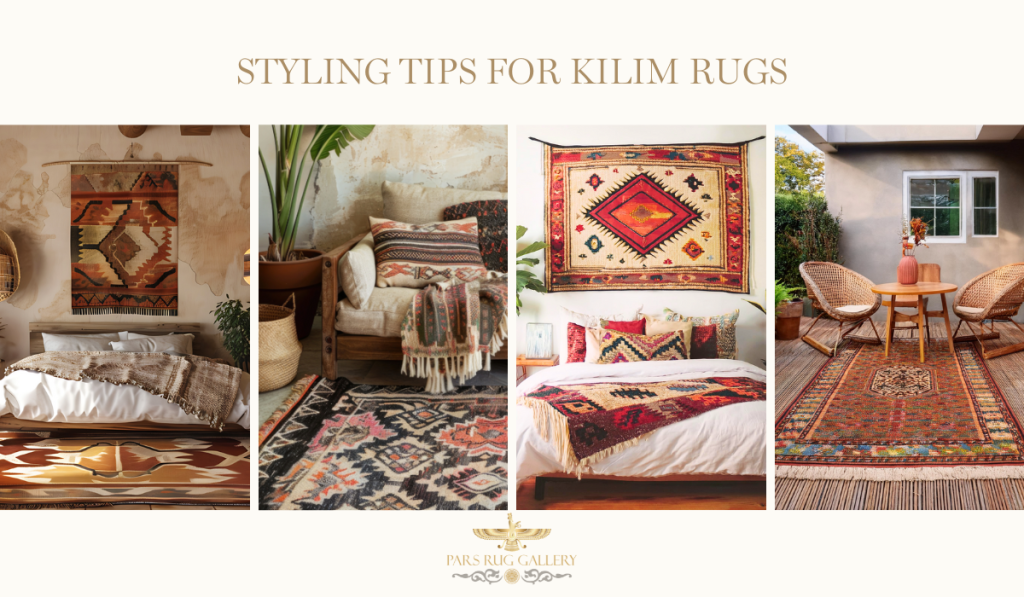
A Kilim rug need not remain underfoot. These woven treasures, with their ancestral patterns and tactile beauty, invite us to reimagine how we live with art. In every thread lies not just a design, but an opportunity—for creativity, storytelling, and soulful expression. Let’s explore how these timeless pieces can transcend the floor and find new meaning throughout your home.
Hung gracefully on a wall, a Kilim transforms into a tapestry of history. In showrooms and heritage homes alike, you’ll often find rugs draped like paintings—each one breathing life into the room it adorns. Kilims are especially striking in modern, minimal spaces where their colors and motifs become the focal point.
Mount your Kilim on a wooden rod or hang it with discreet clips. Whether behind a bed, above a sofa, or along a staircase wall, it becomes not just décor, but dialogue—between past and present, tradition and imagination.
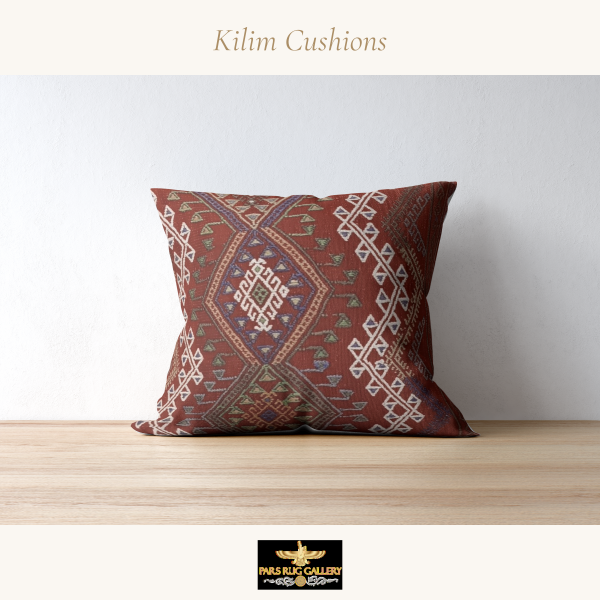
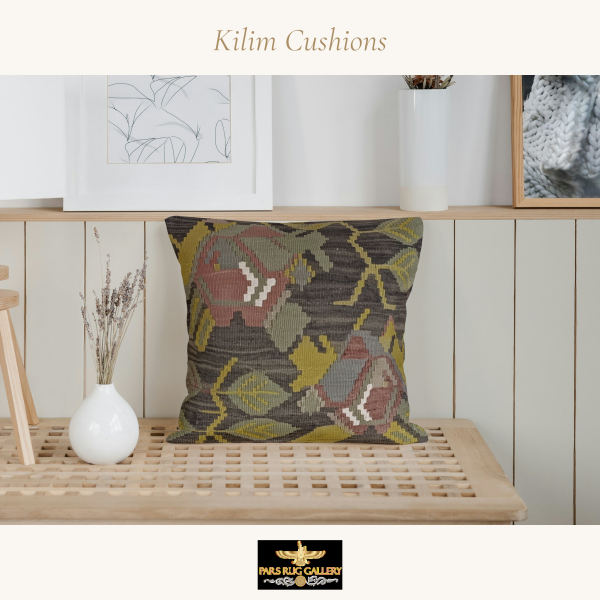
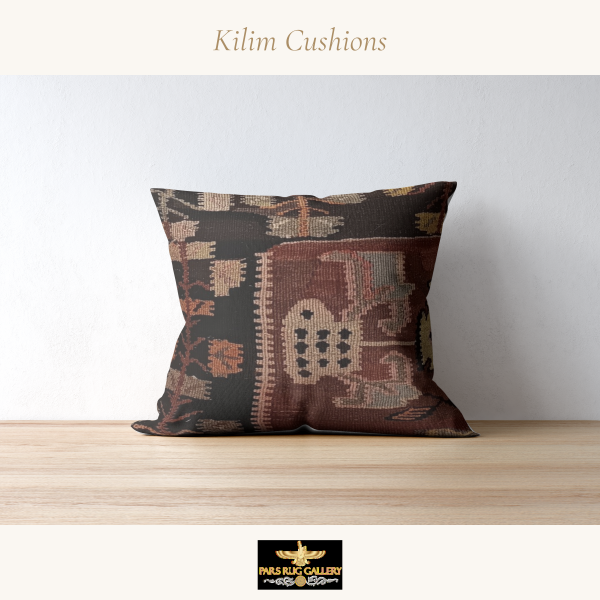
Kilim cushions are where coziness meets craft. These pieces transform traditional rug motifs into soft, functional accents—ideal for styling sofas, armchairs, benches, or even outdoor seating. Each cushion carries with it a fragment of a larger story, turning a simple space into something layered and intentional.
Whether you opt for a bold tribal design or a subtle neutral weave, Kilim cushions add both texture and meaning. They invite touch, offer comfort, and infuse every corner with handcrafted soul.
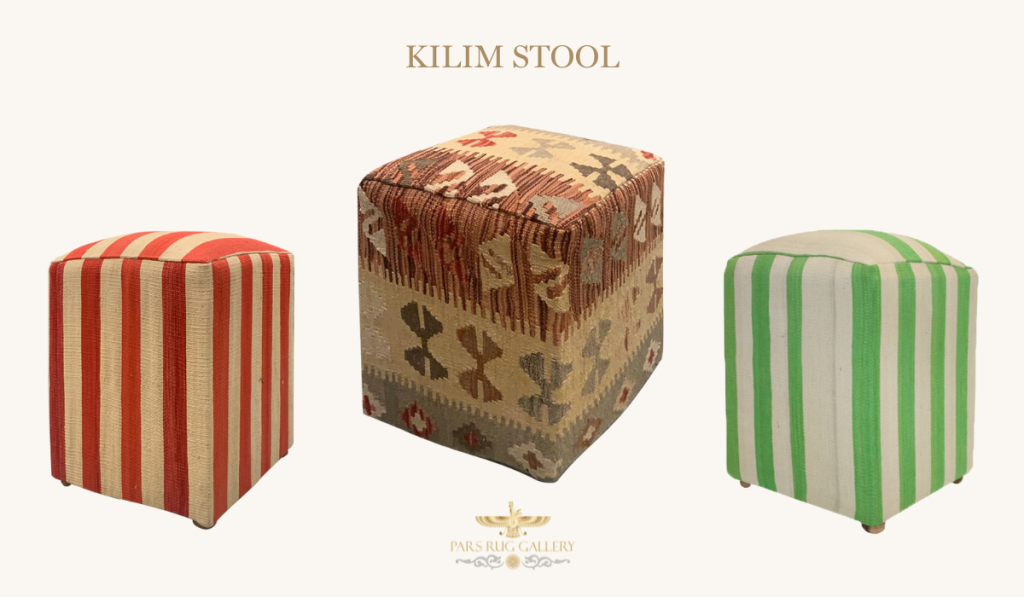
Kilim rugs find beautiful new life when repurposed as upholstery. Their dense weave and rich textures make them perfect for adorning chair backs, ottomans, or wooden benches. Each reimagined surface becomes a blend of history and utility—adding soul to the most practical corners of your home.
It’s more than décor—it’s personal storytelling, embedded in pattern and fiber.
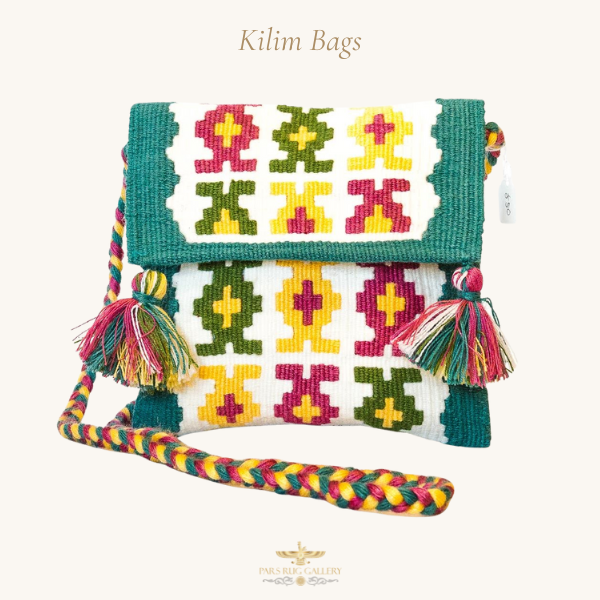
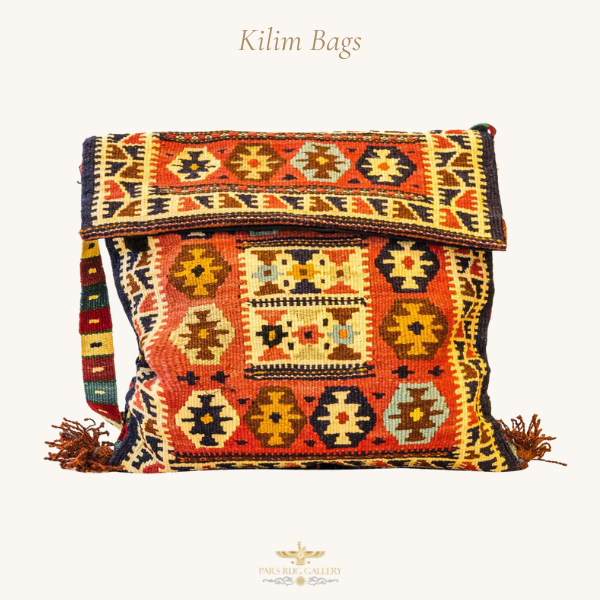
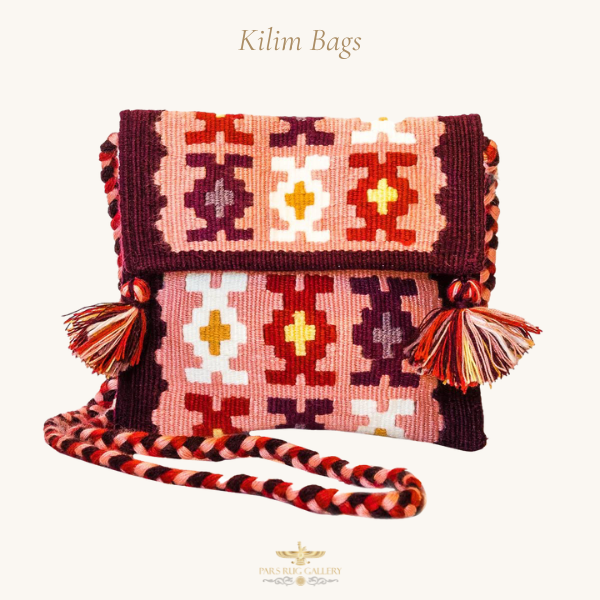
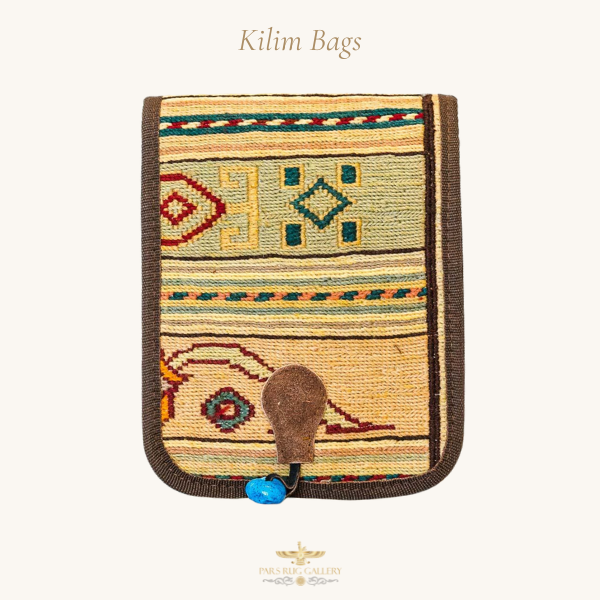
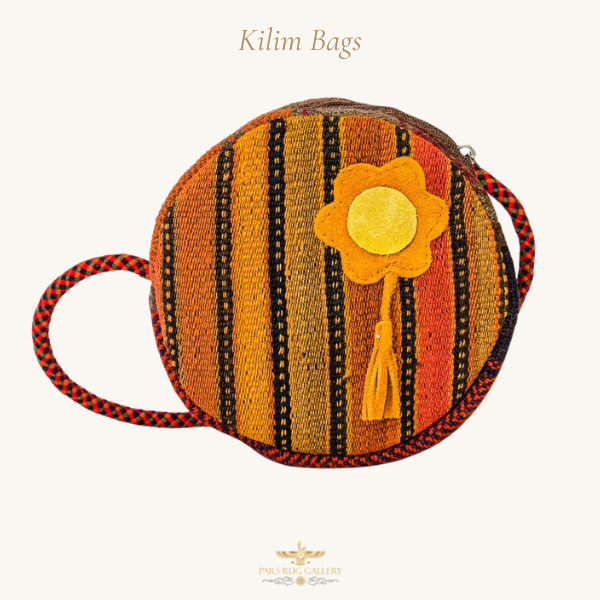
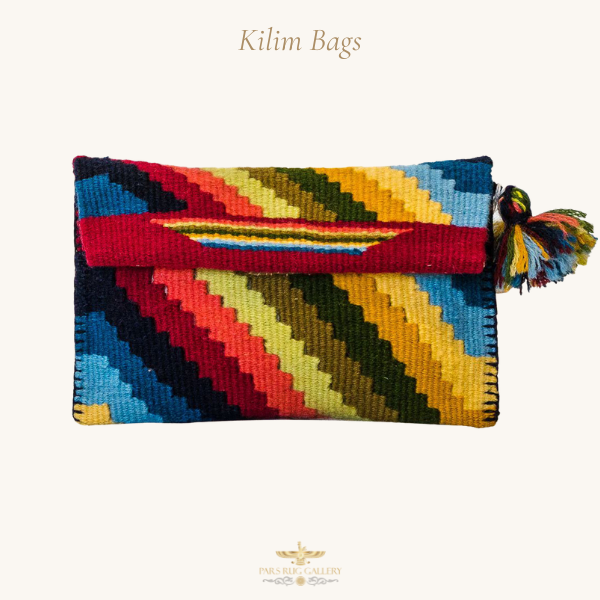
Why limit beauty to interiors when you can carry it with you? Our hand-crafted Kilim bags bring this rich textile tradition into your everyday life. Each bag is a portable canvas of heritage, woven from repurposed rug fragments and designed to be as functional as they are expressive.
From a round shoulder bag adorned with a playful felt flower and warm orange tones, to a compact clutch woven with a rainbow of diagonals and a bold red foldover flap, these pieces exude character. You’ll also find mini satchels decorated with tribal patterns and braided tassel straps, alongside wallet-style pouches featuring button loop closures and desert-toned motifs.
These bags are small yet striking testaments to the versatility of Kilim weaving. No two are ever the same, making them perfect for those who want to wear their story. The vibrant palette, textured weaves, and handmade quality make them ideal for gifting, accessorizing, or simply adding personality to your day-to-day essentials.
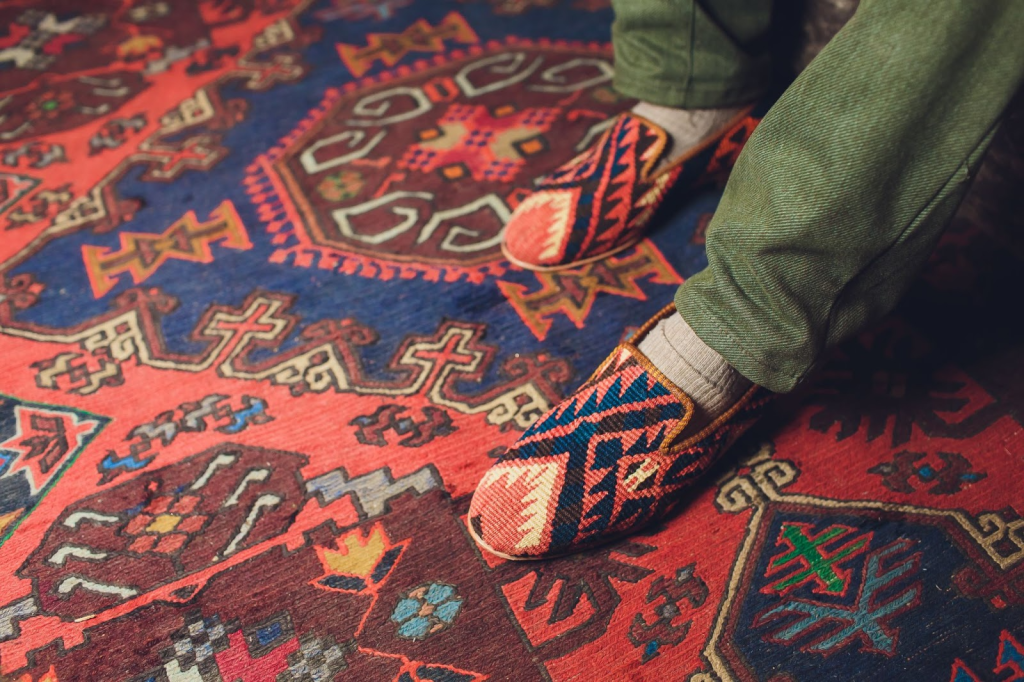
A Kilim rug is not just a furnishing—it’s a story told in threads, passed down through generations and woven with meaning, purpose, and beauty. These handwoven textiles carry with them echoes of ancient lands, ancestral artistry, and a quiet kind of magic that fills your home with warmth and character.
From grounding your living room to defining your dining area, from softening a hallway to brightening a quiet balcony—Kilim rugs adapt effortlessly to every space. Hang one on the wall, layer one under your bed, or repurpose a small one into cushions and upholstery. Their versatility is only matched by their ability to transform the atmosphere of a room.
At Pars Rug Gallery, we honour this tradition by offering a thoughtfully curated collection of authentic Kilim rugs—each piece unique, crafted to bring timeless character into modern homes. Whether you lean towards earthy neutrals or bold tribal motifs, there is a Kilim waiting to become part of your story.
At Pars Rug Gallery, we believe a cushion is never just a cushion — it’s a work of art, a conversation starter, and the finishing

In the world of rug restoration, there are moments that feel like pure privilege—moments when a piece arrives not just as a textile, but as

At Pars Rug Gallery, we regularly receive rugs that have journeyed through generations—each one carrying not just fibers and knots, but history, memory, and value.

Rugs possess not only aesthetic beauty but also historical and artistic significance. Whether a timeless Persian heirloom, a finely woven modern piece, or a striking

In the refined setting of a well-appointed home, a rug does far more than simply cover the floor—it becomes a canvas of comfort, character, and